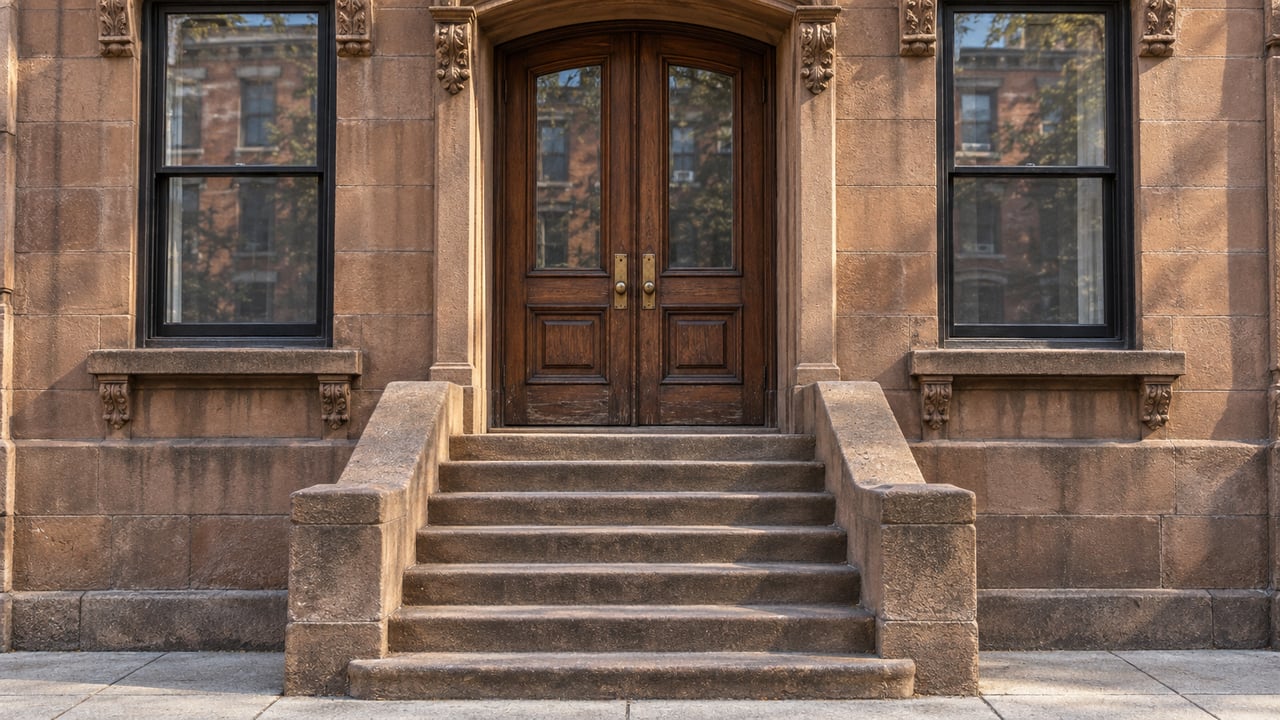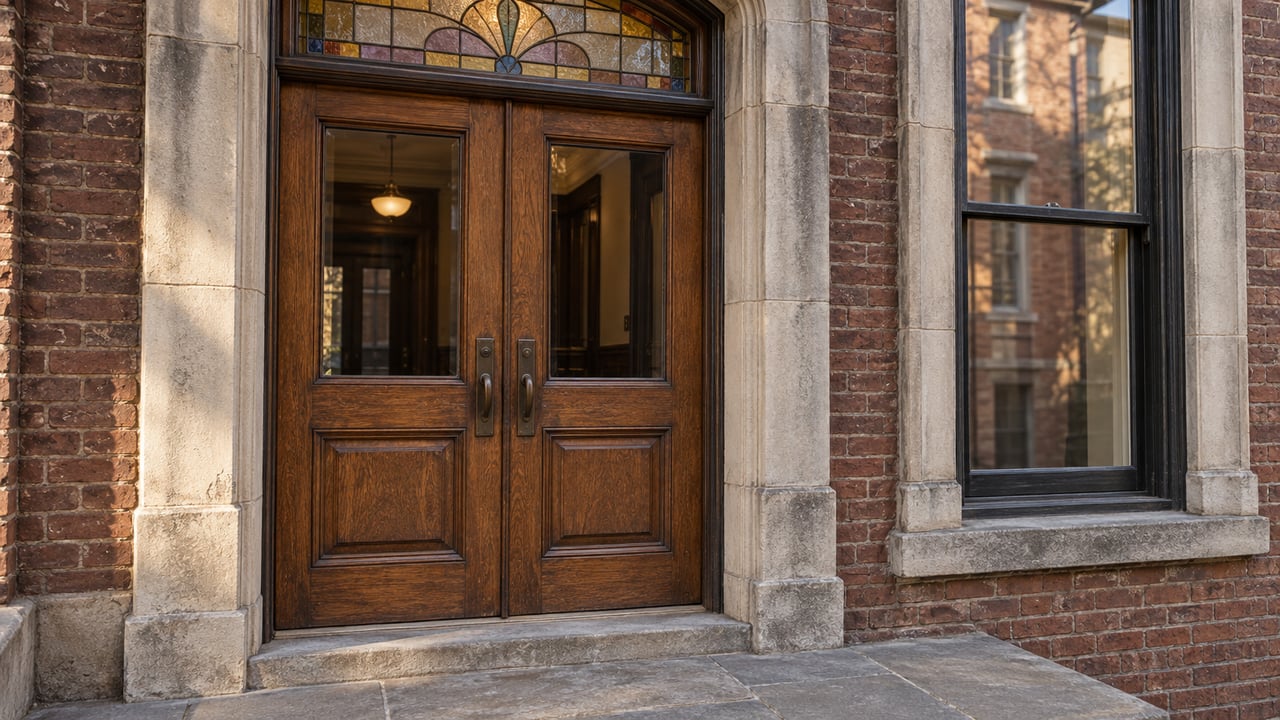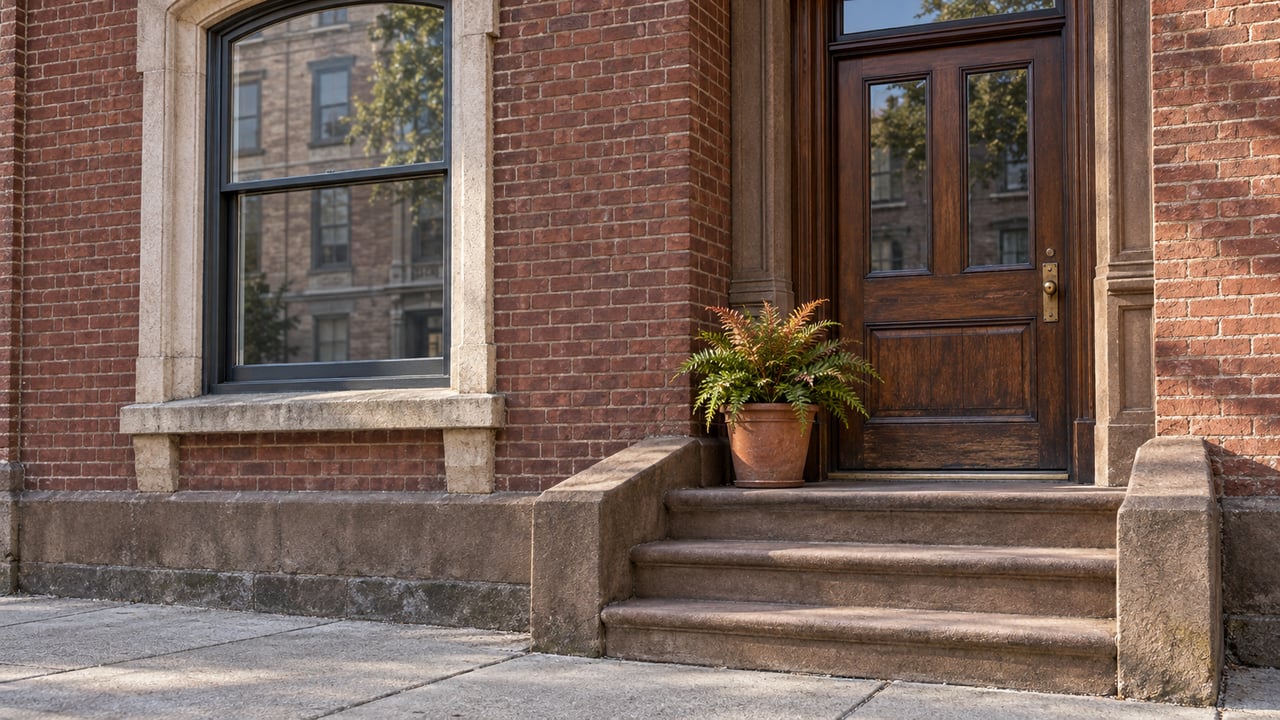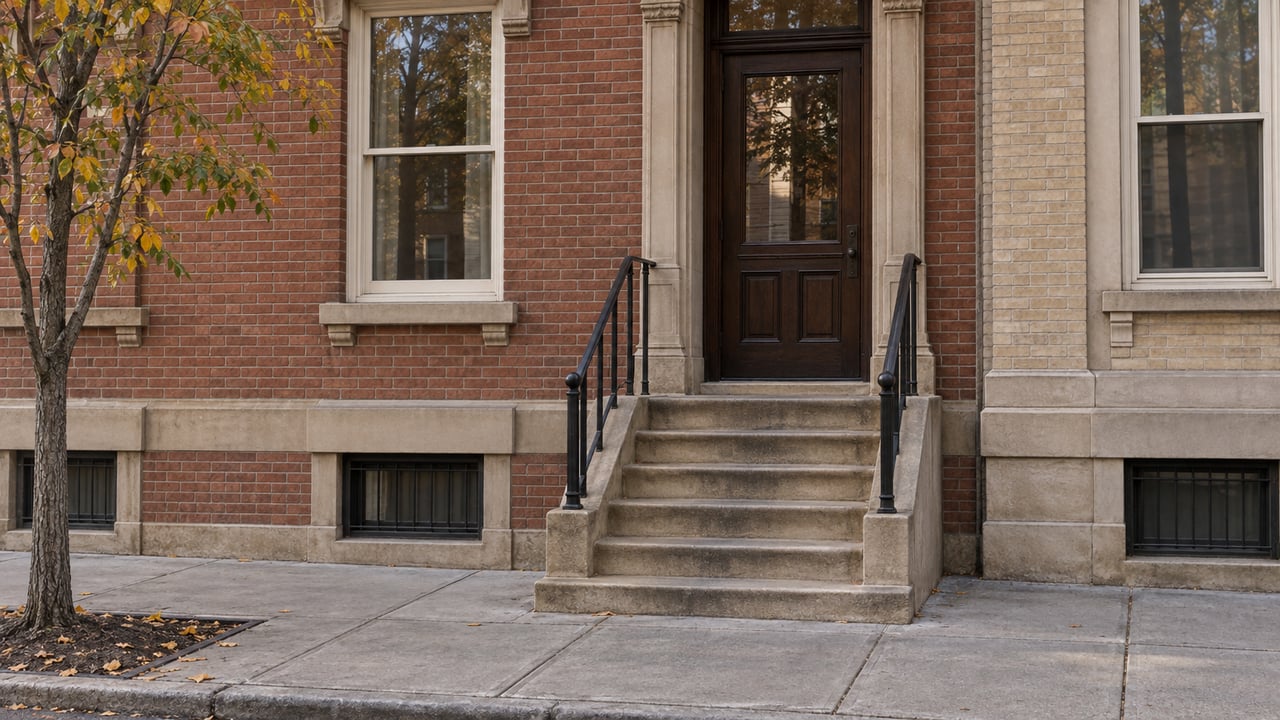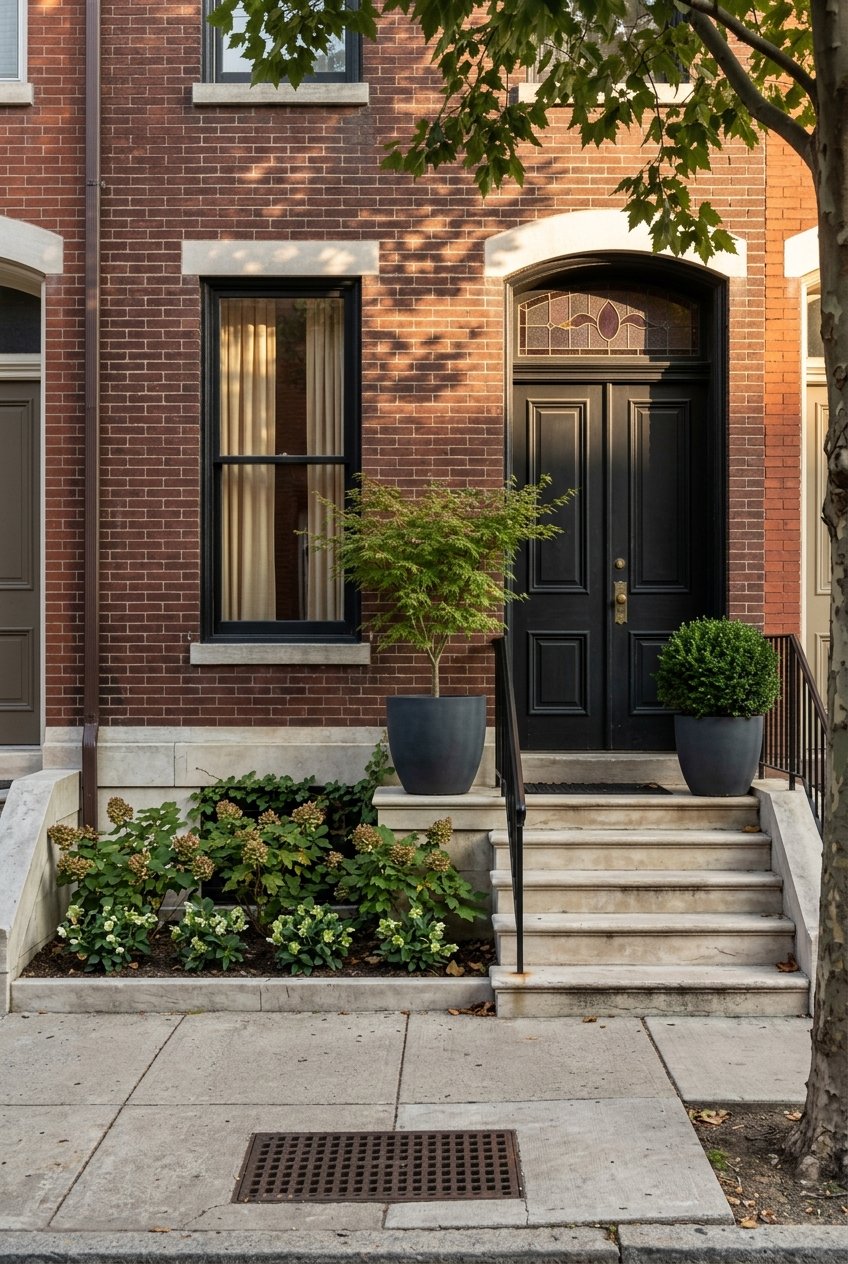
If you picture classic Brooklyn living, a Crown Heights brownstone is probably part of the image. But living in one is not just about a handsome facade or a stoop. It is about how your block feels day to day, how close you are to transit and neighborhood amenities, and how much the surrounding housing mix shapes your experience. If you are wondering what brownstone life in Crown Heights is really like, this guide will help you understand the rhythm of the neighborhood. Let’s dive in.
Crown Heights Brownstone Living at a Glance
Living in a Crown Heights brownstone often means getting a more residential streetscape without giving up city convenience. In many parts of the neighborhood, you are surrounded by row houses, apartment buildings, local businesses, and active commercial corridors that keep daily life easy and connected.
What stands out most is that Crown Heights is not one uniform brownstone district. The neighborhood changes block by block, and your experience can feel very different depending on whether you are in the more townhouse-focused northern sections or the more mixed residential areas farther south.
Where the Brownstone Feel Is Strongest
Crown Heights spans two community districts, and that matters if you are trying to understand where the classic townhouse environment is most pronounced. According to the Brooklyn community board map, the neighborhood is split between CB8 and CB9.
North Crown Heights Has the Classic Rowhouse Setting
The most established brownstone and townhouse character is generally concentrated in north Crown Heights. The city’s Crown Heights North historic district walking tour describes a district of about 470 buildings built from the 1850s through the 1930s, reflecting the neighborhood’s evolution from farmland to freestanding homes, then to row houses and apartment buildings.
For many buyers, this is the part of Crown Heights that most closely matches the classic Brooklyn brownstone picture. You will find historic rowhouse blocks, landmark context, and a stronger sense of architectural continuity from one building to the next.
South Crown Heights Feels More Mixed
Farther south, the housing stock becomes more varied. The city’s planning and community documents describe a broader mix that can include attached townhouses, detached 19th-century homes, 1920s apartment buildings, commercial strips, and larger residential developments.
That does not mean brownstone living disappears. It means your surroundings may feel less uniform, with more variation in building types, street activity, and the overall visual rhythm of the block.
The Streetscape Feels Residential, Not Sleepy
One of the biggest reasons people are drawn to Crown Heights is that it feels lived-in and active without losing its residential core. A city commercial district assessment describes the area as walkable, with shops, bodegas, restaurants, and bars, especially along Nostrand and Franklin avenues.
That balance shapes daily life in a brownstone. You can be on a quieter residential block and still have useful neighborhood retail, dining, and errands close by. For many buyers, that is the sweet spot.
Franklin and Nostrand Add Energy
If you live near Franklin Avenue or Nostrand Avenue, you are likely to feel that energy more directly. These corridors are where dining, nightlife, and neighborhood shopping are especially concentrated.
That can be a real plus if you want convenience and activity nearby. It is also why two homes at the same price point can feel very different depending on how close they are to the neighborhood’s busier avenues.
Daily Life Includes Strong Cultural Anchors
Brownstone living in Crown Heights is not only about housing. It is also about being close to some of Brooklyn’s best-known public and cultural institutions.
Community planning materials for CB8 highlight destinations such as the Brooklyn Botanic Garden, Brooklyn Museum, Brooklyn Children’s Museum, Jewish Children’s Museum, and Weeksville Heritage Center. These are not minor extras. They help shape how the neighborhood feels and how residents spend their time.
Weeksville Adds Historical Depth
One of the most meaningful local institutions is Weeksville Heritage Center, which preserves the history of one of the largest free Black communities in pre-Civil War America. That history gives Crown Heights a depth that goes well beyond architecture.
For you as a resident, this can translate into a stronger sense of place. The neighborhood is not just visually distinctive. It also has real historical and cultural significance.
Family-Friendly Stops Are Part of the Mix
The Brooklyn Children’s Museum is based in Crown Heights and serves about 300,000 children and caregivers annually. Nearby cultural destinations also make it easy to build weekend plans close to home.
Even if you are not specifically moving for those institutions, having them nearby can make the neighborhood feel more complete. They add options for recreation, learning, and everyday outings.
Outdoor Time Is Easy to Find
Crown Heights brownstone life also includes easy access to outdoor spaces, especially if you are near Brower Park. NYC Parks describes Brower Park as being in the heart of Crown Heights, with a picnic lawn, play areas, skate park, basketball courts, a Monarch Butterfly Garden, and Shirley Chisholm Circle.
That kind of park access matters in townhouse neighborhoods. It gives you room to stretch out beyond your home and creates a reliable neighborhood gathering place without needing to travel far.
Transit Is Better Than Many Buyers Expect
A big practical advantage of Crown Heights is the range of subway access. For a neighborhood with many brownstone blocks, transit options are unusually broad.
According to the MTA Brooklyn neighborhood map, Crown Heights-area stations include Eastern Pkwy-Brooklyn Museum, Franklin Av-Medgar Evers College, Kingston Av, Crown Heights-Utica Av, Utica Av, and Nostrand Av. That spread gives many residents more than one commuting route depending on where they live.
The Eastern Parkway Spine Is a Major Asset
If you live near Eastern Parkway, you may be close to the 2, 3, 4, or 5 depending on your exact location. The Brooklyn Museum directions page also points to the 2 and 3 at Eastern Parkway-Brooklyn Museum as a standard route to one of the area’s major anchors.
For buyers, that means certain brownstone blocks offer both classic architecture and practical commuting convenience. That combination is a big part of Crown Heights’ appeal.
The Franklin Shuttle Helps Connect the Neighborhood
The Franklin Avenue Shuttle plays an important role in everyday mobility. The MTA says it connects Franklin Av and Fulton Street on the A and C side with Botanic Garden and Eastern Parkway, where you can transfer to the 2, 3, 4, and 5.
In plain terms, that gives many Crown Heights residents flexible access to multiple subway lines. Depending on your block, you may be choosing between the Eastern Parkway corridor and the Franklin, Nostrand, or Utica routes rather than relying on a single station.
What Brownstone Buyers Should Pay Attention To
If you are shopping for a Crown Heights brownstone, the main lesson is simple: look at the block, not just the listing. Planning documents repeatedly describe Crown Heights as a place balancing preservation, affordability, and change, with ongoing attention to neighborhood character and quality-of-life issues.
That means your experience will depend heavily on context. A home on a landmark-lined rowhouse block may feel very different from one closer to a busy commercial avenue or in a section with a more varied housing mix.
Focus on Block-by-Block Fit
The city’s planning materials suggest that Crown Heights brownstone living is best understood as a mix of historic rowhouse blocks, neighborhood retail, and strong transit access. That is why broad generalizations can miss the point.
When you tour homes, pay attention to:
- The immediate housing mix on the block
- Distance to Franklin, Nostrand, Eastern Parkway, or Utica corridors
- Nearby park and cultural access
- The overall rhythm of the street during the day and evening
Think Beyond Architecture
A beautiful brownstone can draw you in, but your daily routine will be shaped by much more than facade details. Transit options, nearby amenities, and the feel of the surrounding blocks all matter.
That is especially true in Crown Heights, where the appeal is real but not one-size-fits-all. The right fit usually comes from matching your priorities to a very specific part of the neighborhood.
If you are considering a brownstone in Crown Heights and want help evaluating the block, transit access, and townhouse tradeoffs with a local Brooklyn perspective, reach out to Joseph Dima. You will get practical guidance grounded in how these homes and blocks actually function in real life.
FAQs
What is it like living in a Crown Heights brownstone day to day?
- Living in a Crown Heights brownstone often means a residential block with easy access to shops, restaurants, parks, cultural institutions, and multiple subway lines, depending on your exact location.
Where are the most classic brownstone blocks in Crown Heights?
- The strongest traditional townhouse feel is generally found in north Crown Heights, where historic rowhouse blocks and landmark districts are more concentrated.
Is Crown Heights a good neighborhood for brownstone buyers who need transit?
- Crown Heights offers broad subway access, including the 2, 3, 4, 5, A, and C, plus the Franklin Avenue Shuttle, which gives many buyers flexible commuting options.
Are all parts of Crown Heights mostly brownstones?
- No. Crown Heights includes brownstones and row houses, but it also has apartment buildings, mixed-use corridors, detached homes on some blocks, and other housing types, especially farther south.
What should buyers look for when touring Crown Heights brownstones?
- Focus on the specific block, nearby transit, proximity to commercial corridors, access to parks and cultural destinations, and how the surrounding housing mix may affect your day-to-day experience.