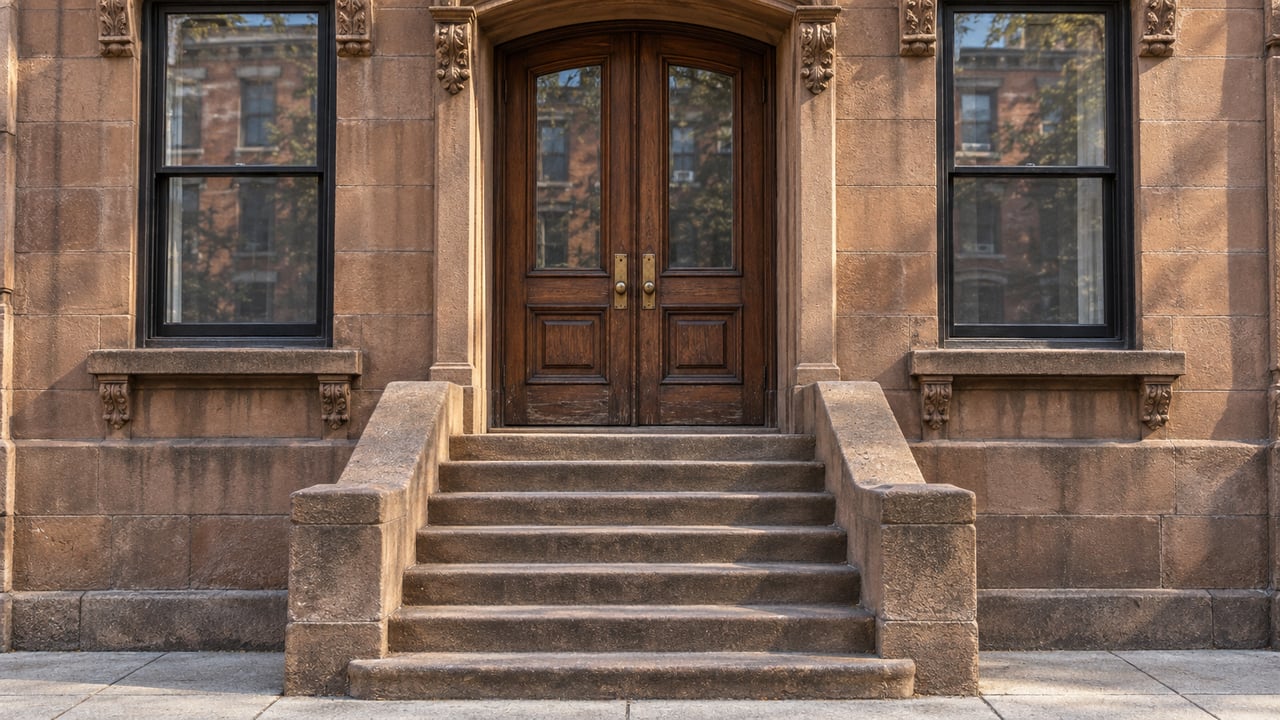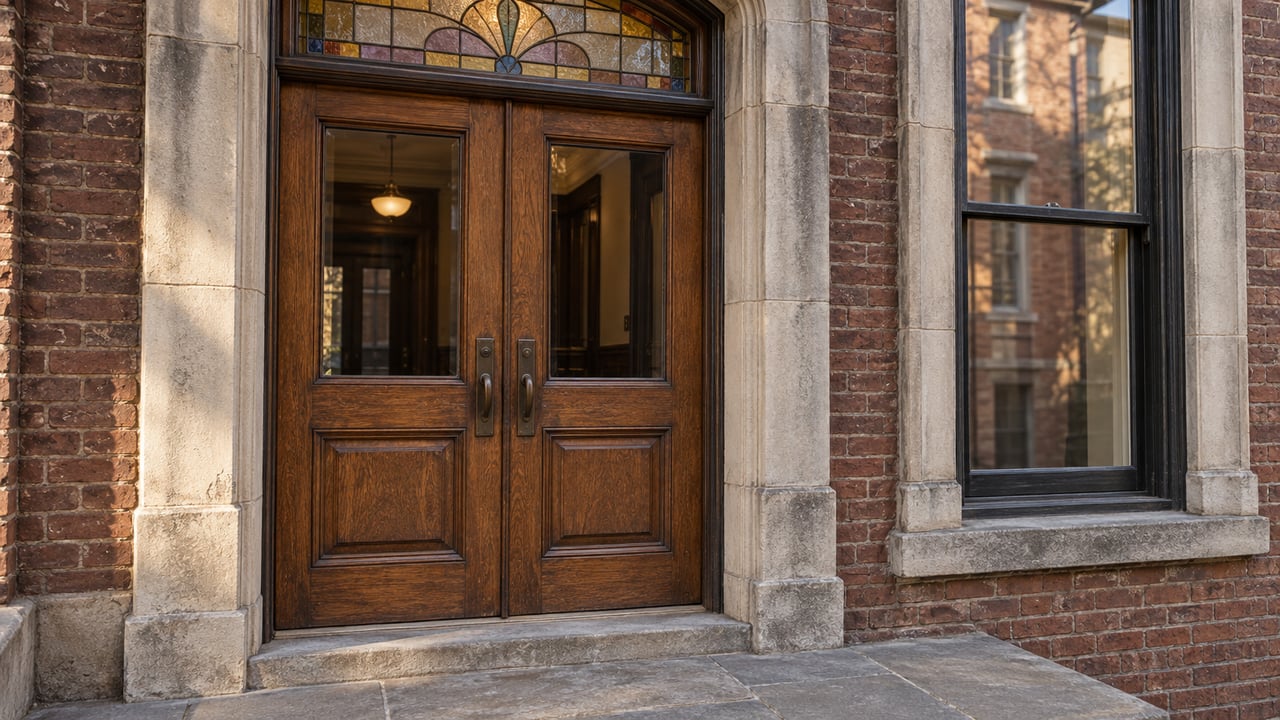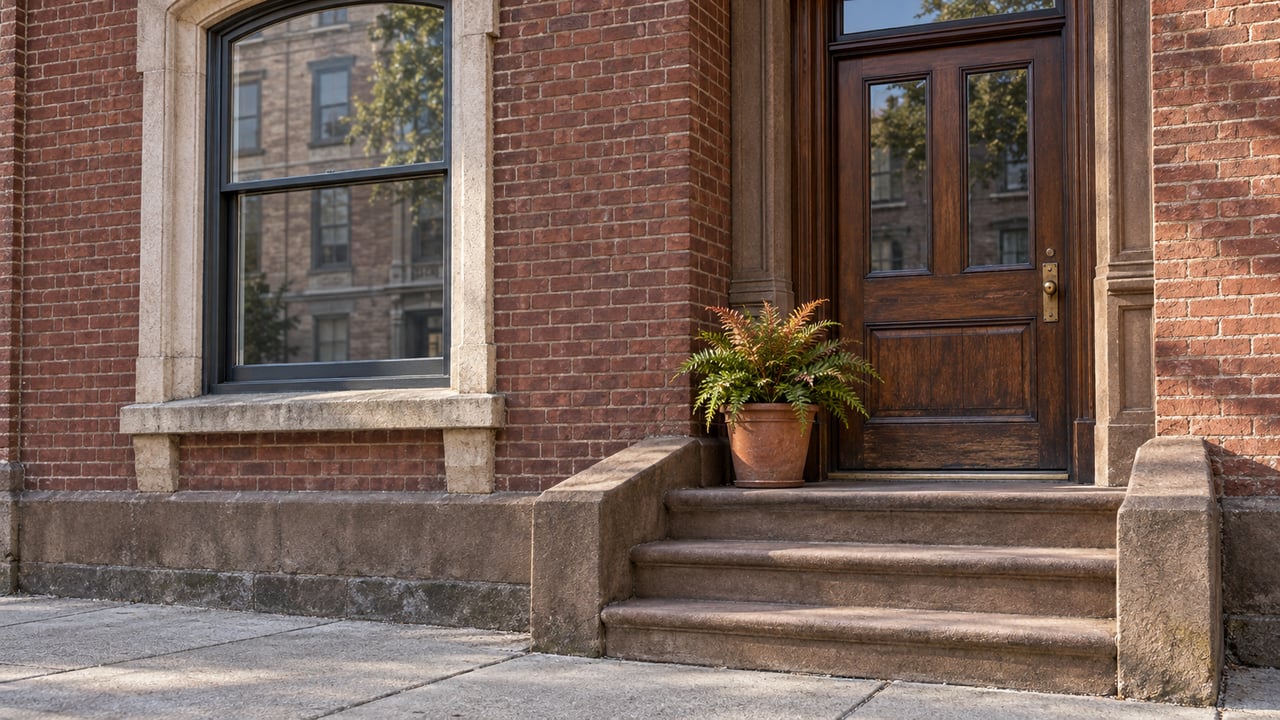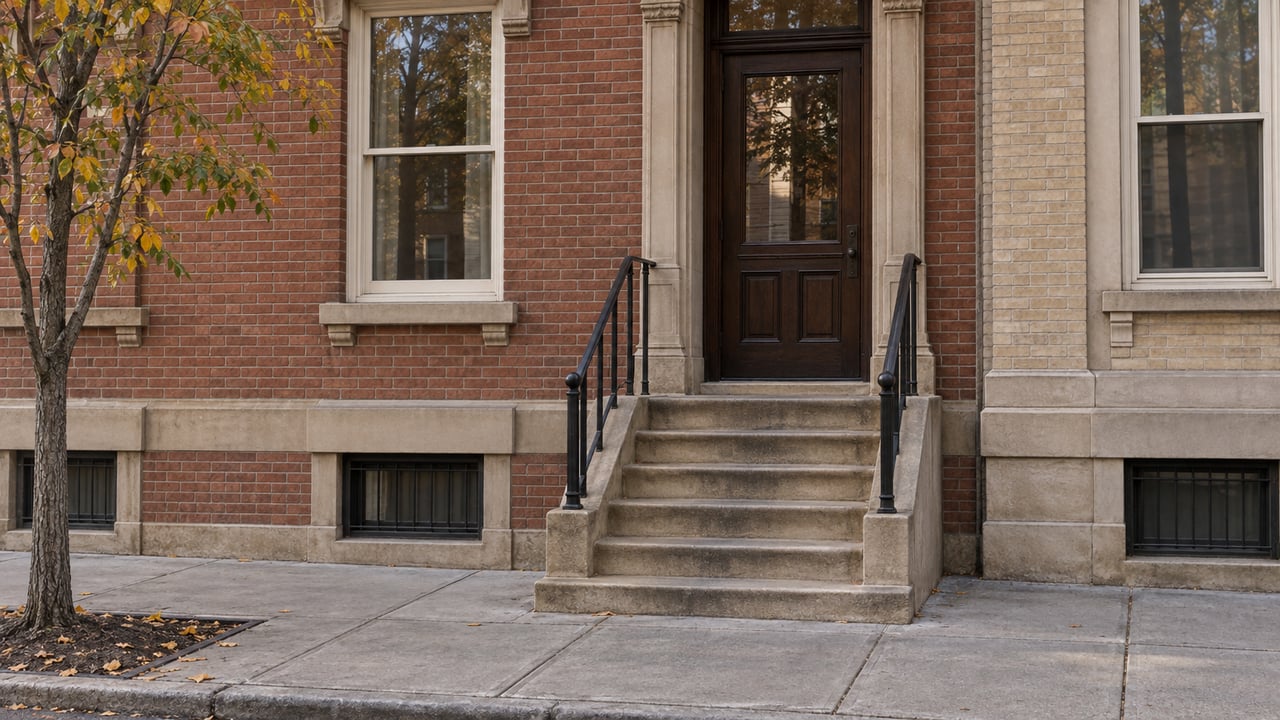
Inherited a Bed-Stuy brownstone and not sure where to start? You are not alone. Selling a family property in Brooklyn can feel emotional, complicated, and full of moving parts, especially when legal authority, clean-out decisions, repairs, and timing all hit at once. With the right plan, you can avoid costly missteps and move forward with more clarity and confidence. Let’s dive in.
Start With Legal Authority
Before you think about paint colors, staging, or listing photos, confirm who has the legal authority to act for the estate. In New York, Surrogate’s Court handles what happens to a deceased person’s property. If there is a will, the process is probate. If there is no will, the process is administration.
That distinction matters because not every inherited brownstone follows the same path. In some cases, title may pass directly to a surviving owner, such as property held jointly or as tenants by the entirety. In other cases, the property may be part of the probate estate, which means the right person must be formally appointed before major decisions move ahead.
If the title picture is unclear, it is smart to pause and sort that out first. New York court guidance notes that real property is treated differently from personal property, and whether administration is needed can depend on who survived the decedent. That is one reason inherited townhouse sales often benefit from early coordination with a real estate attorney and tax professional.
Why Clean-Out Should Wait
One of the most common mistakes in an inherited sale is cleaning out the house too quickly. New York court guidance says no one may remove property before the estate is opened without a court order. The fiduciary is also responsible for collecting and managing estate assets and keeping them separate.
That means the first step is not always emptying the house. It is identifying what belongs to the estate, what must be inventoried, and what can be removed later. For many families, especially if heirs live out of town, this step can save a lot of confusion and conflict.
A brownstone often contains more than furniture and personal items. It may also hold documents, records, or materials tied to the property itself. Organizing the clean-out around the estate inventory first and sale preparation second is usually the safer path.
Confirm Title And Property Records
Once authority is established, the next job is confirming the ownership history and recorded documents. In Brooklyn, ACRIS is the city’s system for deeds and related records. It allows users to search by address or tax lot information and review recorded property documents.
For an inherited Bed-Stuy brownstone, this is a practical starting point. It can help confirm how title was held and what paperwork may be needed for a future transfer. It also becomes important later in the process because New York City transfer tax filings are handled through ACRIS.
This step matters even more when several heirs are involved. If signatures, ownership details, or transfer documents are not lined up early, closing can slow down fast.
Check Violations Before You List
Before spending money on updates, find out whether the property has open issues with the city. For Bedford-Stuyvesant brownstones, that usually starts with DOB and HPD. According to the city, open DOB violations are public, can appear in a title search, and may prevent a property from being sold or refinanced.
HPD issues matter too. The city says failure to correct or certify HPD violations can lead to penalties and emergency repair costs. In practical terms, that means some problems can affect both marketability and closing.
This is especially important with inherited properties because deferred maintenance is common. A house may have strong bones and historic character, but buyers and their attorneys will still look closely at open violations, unresolved work, and basic building condition.
Know When HPD Registration Applies
If the brownstone has multiple units, registration may be required. HPD registration applies to multiple dwellings with three or more units, and also to one- or two-family homes where neither the owner nor a family member lives there. The city uses that registration for official notices and emergency contact purposes.
This can catch estate sellers by surprise. If the inherited property is vacant or no family member is living there, registration status should be reviewed early. It is a small detail that can become a bigger issue if ignored.
Historic District Rules Can Affect Repairs
Bed-Stuy is known for its historic housing stock, and some brownstones fall within designated historic districts, including Stuyvesant Heights and Bedford Stuyvesant/Expanded Stuyvesant Heights. If your property is in one of those districts, exterior work may require Landmarks Preservation Commission review before work begins.
LPC states that owners need a permit before doing work on landmarked buildings or buildings in historic districts. Depending on the project, that may involve a Certificate of No Effect, Permit for Minor Work, or Certificate of Appropriateness. Some basic maintenance, such as replacing broken window glass or repainting a door the same color, may not need review.
The key point is simple: do not assume every exterior improvement is routine. Prior unauthorized work can also create responsibility for the current owner. If you are preparing an inherited brownstone for sale, your repair plan should account for landmark rules before contractors start.
Focus On Smart Prep, Not Overbuilding
In a market like Bed-Stuy, thoughtful preparation usually matters more than doing everything at once. StreetEasy’s December 2025 data showed a median asking price of $1.64 million, with inventory up 7.6% year over year. Redfin reported a March 2026 median sale price of $1.65 million and average days on market of 112.
Those neighborhood-wide numbers point to a valuable market, but not one where every inherited property sells instantly without strategy. Buyers still respond to pricing, condition, presentation, and timing. That is especially true for brownstones, where original detail, layout, mechanical condition, and legal status can all shape the result.
A strong plan often means deciding which repairs improve marketability without creating permit problems or unnecessary delay. Inherited sellers do not always need a full renovation. Sometimes the better move is selective work, careful staging, and a pricing strategy that reflects the home’s condition and opportunity.
For families handling a long-held property, this is where local guidance matters. A Bed-Stuy brownstone is rarely just another listing. It may have historic features, deferred maintenance, tenant considerations, or paperwork issues that need a tailored approach.
Prepare For Closing And Transfer Taxes
Once the property is in contract, the sale still has a few important administrative steps. New York City requires the Real Property Transfer Tax return to be filed through ACRIS. The city says the return and tax are generally due within 30 days after transfer, and all grantors and grantees must sign the return.
At the state level, New York imposes a real estate transfer tax on conveyances over $500 at $2 for each $500 of consideration. The state also applies a 1% mansion tax to residential transfers of $1 million or more. State guidance says the base transfer tax is generally paid by the seller, while the mansion tax is generally paid by the buyer.
In inherited sales, these details matter because there may be several parties involved, and some may be out of town. When signatures and filing requirements are not coordinated early, the closing process can become more stressful than it needs to be.
Do Not Guess On Capital Gains
Many heirs want to know what they will owe in taxes after the sale. That answer depends on facts specific to the estate and the property. The IRS states that inherited property basis is generally the fair market value on the date of death, or the alternate valuation date if elected.
That is why it is important not to estimate gain based only on what the family originally paid for the brownstone years ago. The tax picture for inherited property is often very different. Before you make decisions based on projected proceeds, coordinate with a qualified tax professional.
A Practical Selling Plan For Bed-Stuy Heirs
If you are selling an inherited brownstone in Bedford-Stuyvesant, the clearest path is usually the most disciplined one. Start by confirming legal authority. Then review title and property records, check for DOB and HPD issues, understand whether landmark rules apply, and make only the improvements that support the sale without creating new complications.
From there, pricing, presentation, and timing become much easier to manage. In a neighborhood known for historic brownstones and steady buyer interest, a calm and informed process can help you protect value while reducing avoidable stress.
Selling a family property is never just a transaction. It is often a financial decision wrapped inside a legal process and an emotional transition. If you want steady guidance on how to prepare, price, and position an inherited brownstone in Bed-Stuy, connect with Joseph Dima for thoughtful, hands-on support.
FAQs
What is the first step in selling an inherited brownstone in Bedford-Stuyvesant?
- The first step is confirming who has legal authority to act for the estate through probate, administration, or another valid form of title transfer.
Can you clean out an inherited Bed-Stuy brownstone right away?
- Not always. New York court guidance says property should not be removed before the estate is opened unless there is a court order.
Do Bedford-Stuyvesant brownstones need violation checks before listing?
- Yes. Open DOB and HPD violations can affect marketability, create penalties, and in some cases interfere with a sale or refinance.
Do historic district rules affect repairs on a Bed-Stuy brownstone?
- Yes. If the property is landmarked or in a historic district, exterior work may require LPC review and permits before work begins.
Are transfer taxes part of an inherited brownstone sale in New York City?
- Yes. New York City transfer tax filings are handled through ACRIS, and New York State also imposes transfer tax based on the sale price.
How is tax basis usually handled for inherited New York property?
- In general, inherited property basis is the fair market value on the date of death, or the alternate valuation date if elected, so heirs should review the numbers with a tax professional.