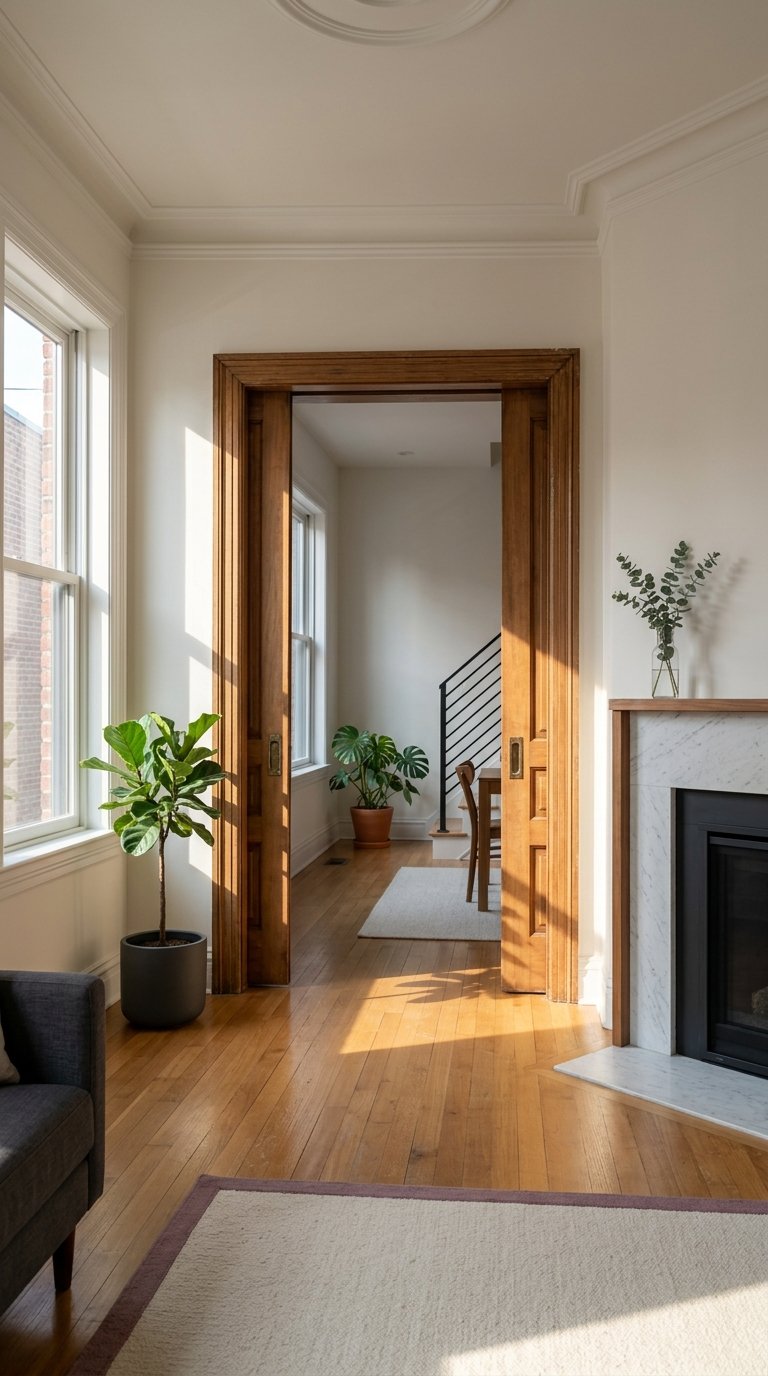
Buying a brownstone in Crown Heights can feel exciting and intimidating at the same time. From landmark rules to unit-count quirks to financing questions, these homes often come with more moving parts than a typical apartment purchase. If you want to buy with confidence, it helps to understand what you are really buying, how to evaluate it, and where the biggest risks can hide. Let’s dive in.
Know what “brownstone” really means
In Crown Heights, “brownstone” is usually a style and materials description, not a legal property type. In New York City records, a house that looks like a classic brownstone from the street may be classified as a one-family, two-family, three-family, or even mixed-use property depending on its legal setup. The NYC Department of Finance building class system includes categories like A7 town house or mansion type, B1 and B3 two-family homes, C0 three-family homes, and S1-S3 mixed-use rowhouses.
That matters because the legal configuration affects financing, underwriting, reserves, and how lenders may treat rental income. Two houses on the same block can look nearly identical but be financed very differently. Before you fall in love with the stoop and façade, confirm the property’s legal use and class in public records.
Understand Crown Heights brownstone stock
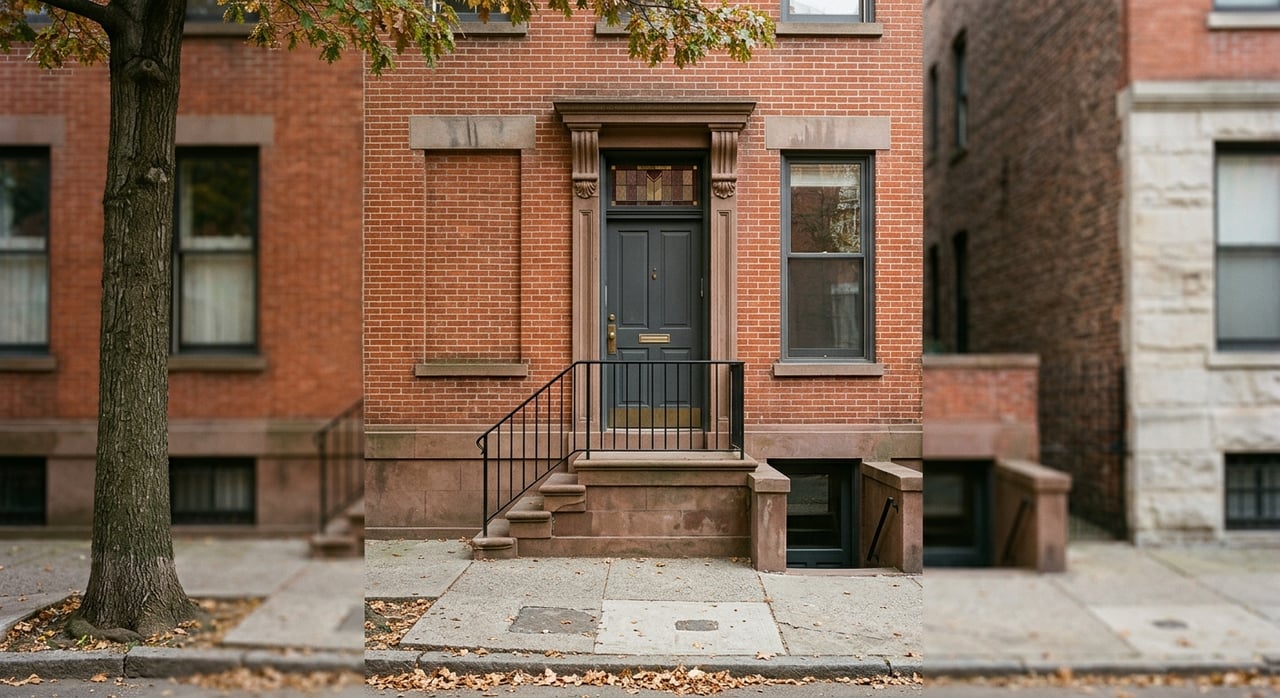
Crown Heights has a deep inventory of prewar rowhouses, especially in Crown Heights North. According to the Landmarks Preservation Commission designation report, the area includes late-19th-century attached and row houses such as two-story brownstones, three-story brownstones, and later Romanesque Revival and Queen Anne homes with brownstone bases, brick upper floors, and high stoops.
You should also expect real variation from block to block. The neighborhood includes neo-Grec rows from the 1870s and 1880s as well as later architectural styles from the 1890s. That architectural mix is part of the appeal, but it also means a generic pricing rule rarely works well in Crown Heights.
Ignore the headline median price
One of the biggest mistakes buyers make is using a neighborhood median sale price as a shortcut for brownstone value. In Crown Heights, that can be especially misleading because broad neighborhood data often combines condos, co-ops, and houses into the same number. PropertyShark’s Crown Heights market trends show a February 2026 median sale price of $525K with only eight transactions, while also noting there was no statistically significant house median that month.
That does not mean a Crown Heights brownstone costs anywhere near that figure. The same research report notes that current NYC rolling sales data includes one-family homes around $1.345M to $1.35M and two-family houses around $2.62M to $3.52M in Crown Heights. The lesson is simple: compare like with like, and focus on legal unit count, renovation level, lot width, and exact location rather than the neighborhood headline.
Check whether the house is landmarked
If the property is in a historic district, exterior changes may require approval before work begins. Crown Heights includes multiple designated districts, including Crown Heights North, Crown Heights North II, and Crown Heights North III, which appear on the LPC’s Brooklyn historic district map.
For buyers, that has real budget and timeline implications. Stoops, windows, cornices, roof work, rear façades, and other exterior changes may need preservation review. The LPC Rowhouse Manual is specifically intended to help owners of rowhouses in historic districts preserve and maintain their homes and navigate exterior alterations.
Start due diligence with the records
With older Crown Heights houses, public records are not optional. They are one of the best ways to spot issues before you are too far into the deal. Start with ACRIS, which is the city’s public repository for deeds, mortgages, and satisfactions.
Then review building and housing history through the city systems referenced in the research. The Department of Buildings says open violations are public information and can interfere with selling or refinancing, while HPD says housing-code violations can be viewed online and may carry correction deadlines depending on severity. If a home has unresolved issues, you want to know early.
Inspect for old-house realities
A brownstone purchase is not just about charm. It is also about condition, maintenance history, and how well the building has aged. In older housing stock across the Bedford-Stuyvesant-Crown Heights area, the NYC Health housing and health report highlights issues such as leaks, cracks, peeling paint, supplemental heat use, mice or rats, and cockroaches.
That report covers a combined area rather than Crown Heights alone, but it is still a useful warning sign for prewar rowhouses. In practice, you should pay close attention to cellar moisture, façade condition, roof age, windows, signs of deferred maintenance, and whether any visible work appears consistent with permits and legal use.
Match your financing to the property
The right loan starts with the property’s legal setup and your plan for occupancy. If you intend to live in the home, FHA may be relevant because HUD states its single-family programs apply to one- to four-family owner-occupied principal residences, including townhouses and row houses. HUD also states a minimum required investment of at least 3.5% of adjusted value, with at least one borrower occupying the property within 60 days and intending to remain for at least one year.
There may also be low-down-payment conventional options. Freddie Mac’s Home Possible fact sheet outlines a 3% down payment option for owner-occupied primary residences and notes flexible funding sources such as gifts and grants. For buyers considering a two- to four-unit home, the research also points to Fannie Mae Community Seconds guidance, where the borrower must contribute 5% from their own funds before subordinate assistance can be layered in.
The key takeaway is that financing a one-family townhouse is not always the same as financing a two-family or three-family house. Your lender may look at occupancy, projected rental income, reserves, and borrower contribution differently depending on legal unit count. That is why getting clear on configuration early can save you time and frustration later.
Build your buying plan step by step
A Crown Heights brownstone purchase usually goes more smoothly when you follow a structured process.
Step 1: Define your use case
Decide whether you want a one-family home, an owner-occupied two-family, or a larger multi-unit property. Your lifestyle, renovation appetite, and financing options may shift depending on that choice. It is easier to search well when you are clear about how you plan to use the building.
Step 2: Set a realistic budget
Use actual house comps and current transaction examples, not broad neighborhood medians. In Crown Heights, a true townhouse or brownstone can sit in a completely different pricing band from nearby apartments. Budget for acquisition costs, immediate repairs, and possible landmark-related review if exterior work is part of your plan.
Step 3: Confirm legal configuration
Before moving forward, verify whether the house is legally one-, two-, or three-family, or mixed-use. That classification can affect your loan options and your long-term plans. It also helps you avoid making assumptions based on appearance alone.
Step 4: Research the building history
Review deed and mortgage history through ACRIS and check for complaints, applications, inspections, and violations through the relevant city systems. Open issues do not always kill a deal, but they do affect risk, timing, and negotiation. The more you know up front, the more confidently you can move.
Step 5: Evaluate landmark status
If the property is in one of Crown Heights’ historic districts, factor that into your renovation timeline and budget. Exterior work may involve additional review, and some design choices may be limited. This is especially important if you are buying with plans to alter windows, stoops, roofing, or rear façades.
Step 6: Inspect thoroughly
Prewar rowhouses deserve a careful inspection strategy. Focus on moisture, cracks, paint condition, pests, signs of leaks, and any evidence of aging systems or deferred maintenance. A strong inspection can help you understand not just what the house is, but what it may ask from you in the first few years of ownership.
Why local guidance matters in Crown Heights
Crown Heights is not a neighborhood where you can rely on broad averages and generic townhouse advice. Pricing can vary sharply based on block, condition, lot width, legal unit count, and whether the home sits in a historic district. A calm, detail-driven approach matters more here than hype.
That is one reason many buyers benefit from working with advisors who understand Brooklyn brownstones from both a financial and legal angle. When you are weighing a one-family home against a two-family opportunity, or trying to make sense of records, violations, and renovation constraints, clear guidance can help you protect both your budget and your long-term plans.
If you are thinking about buying a brownstone in Crown Heights, working with a team that understands Brooklyn townhouses, financing structure, and deal complexity can make the process far easier. You can start the conversation with Joseph Dima for thoughtful guidance tailored to your goals.
FAQs
What is a brownstone in Crown Heights?
- In Crown Heights, a brownstone usually refers to a rowhouse style or façade material rather than a specific legal property type, so the home may legally be a one-family, two-family, three-family, or mixed-use building.
How much does a Crown Heights brownstone cost?
- There is no single reliable brownstone price because neighborhood medians often mix apartments and houses, but the research report shows recent Crown Heights one-family deals around $1.345M to $1.35M and two-family deals around $2.62M to $3.52M.
How can you check if a Crown Heights house is landmarked?
- You can review the Brooklyn historic district map from the Landmarks Preservation Commission to see whether the property falls within Crown Heights North, Crown Heights North II, or Crown Heights North III.
What records should you check before buying a Crown Heights brownstone?
- You should review ACRIS for deeds and mortgages, then check city records for complaints, violations, applications, and inspections, since open issues can affect financing, timing, and risk.
Can you use FHA financing to buy a Crown Heights brownstone?
- FHA may be an option for an owner-occupied one- to four-family property, including a townhouse or row house, if you meet the occupancy and minimum investment requirements described by HUD.
Why does legal unit count matter for a Crown Heights townhouse?
- Legal unit count matters because financing, underwriting, reserve requirements, and treatment of rental income can differ between a one-family, two-family, and three-family property.