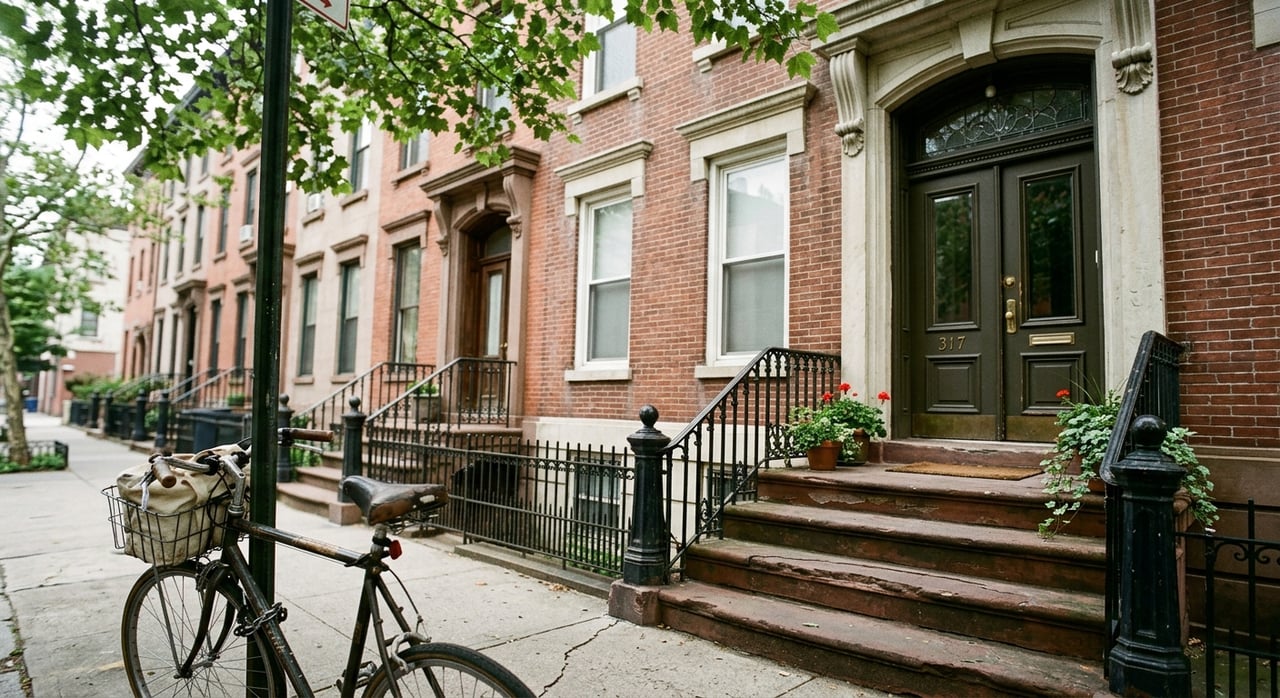
What makes a brownstone block feel like home? In Bedford-Stuyvesant, the answer is usually not one big landmark or one trendy destination. It is the rhythm of stoops, row houses, corner errands, local parks, and neighborhood institutions that shape daily life block by block. If you are curious about what it actually feels like to live among Bed-Stuy’s brownstones, this guide will walk you through the patterns that give the neighborhood its steady, lived-in character. Let’s dive in.
Brownstone blocks set the tone
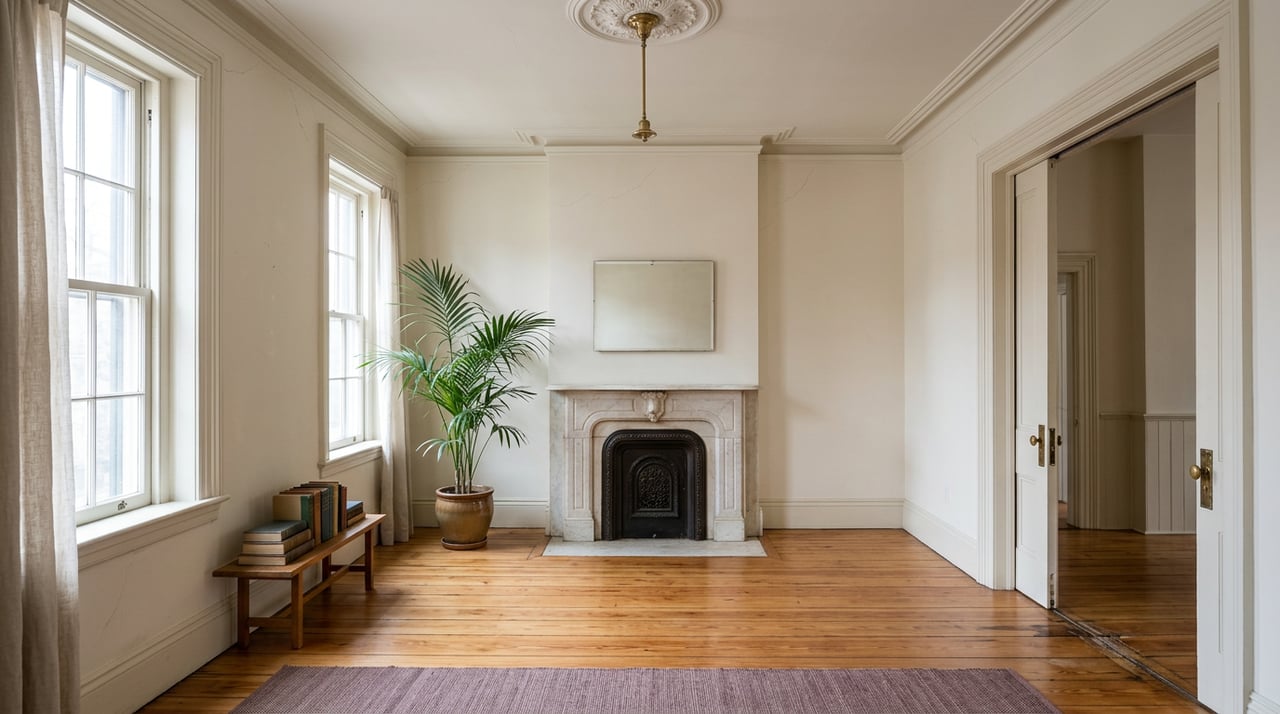
Bedford-Stuyvesant’s brownstone core reads first as a residential streetscape. According to the New York City Landmarks Preservation Commission, many blocks are defined by intact brick and brownstone houses, stoops, front areaways, rear yards, ironwork, and a mix of nearby churches, schools, libraries, and small apartment buildings. That combination creates a setting that feels active in a quiet, everyday way.
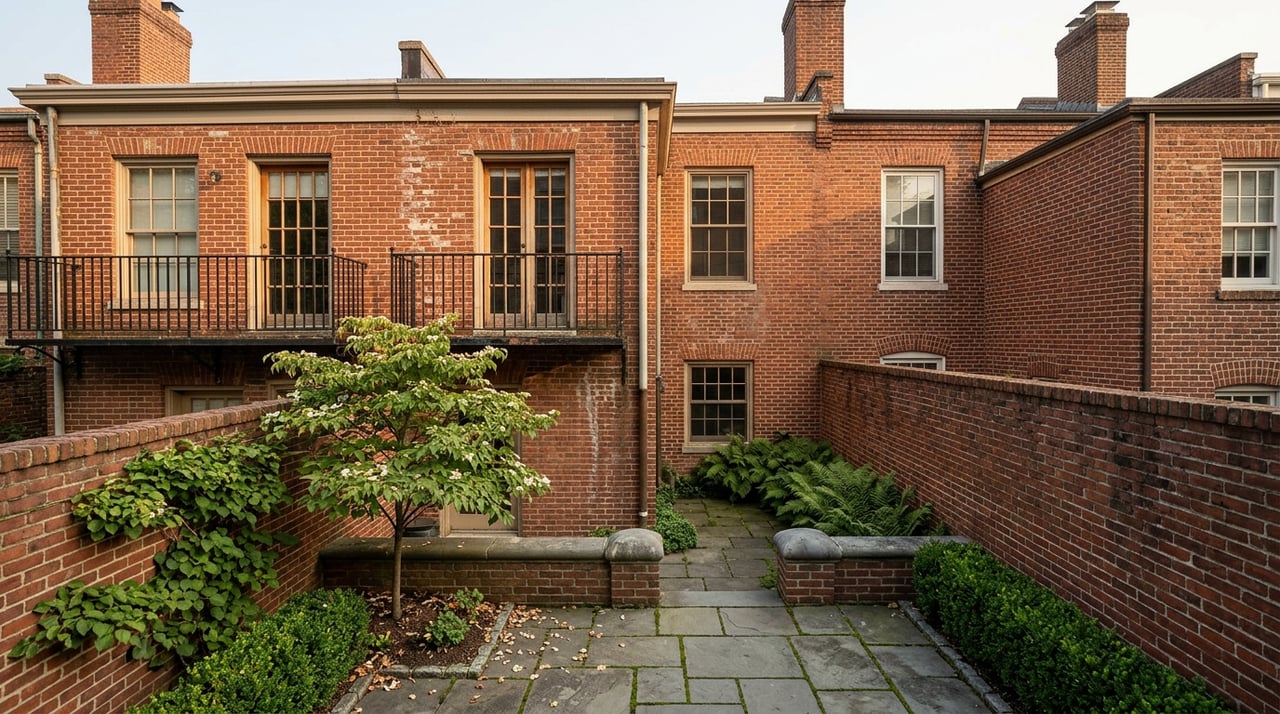
In the expanded Stuyvesant Heights Historic District, more than 85 percent of the area is residential, and the housing stock is mainly masonry row houses. The typical row house is about 12 to 25 feet wide, often with a stoop, front areaway, and a generous rear yard. If you are walking these blocks, you notice how much the homes relate to the street without losing privacy.
Why Bed-Stuy blocks feel detailed
Part of the appeal is the architecture itself. The Landmarks Preservation Commission notes styles including Italianate, Neo-Grec, Queen Anne, Romanesque Revival, and Renaissance Revival. Even when a row feels visually consistent, small changes in window shapes, entry details, cornices, and ironwork keep the block interesting.
That is a big reason everyday life here can feel so grounded. You are not moving through a generic streetscape. You are moving through blocks where design details, stoops, fences, railings, and facades give each stretch of the neighborhood its own texture.
Stoop life matters here
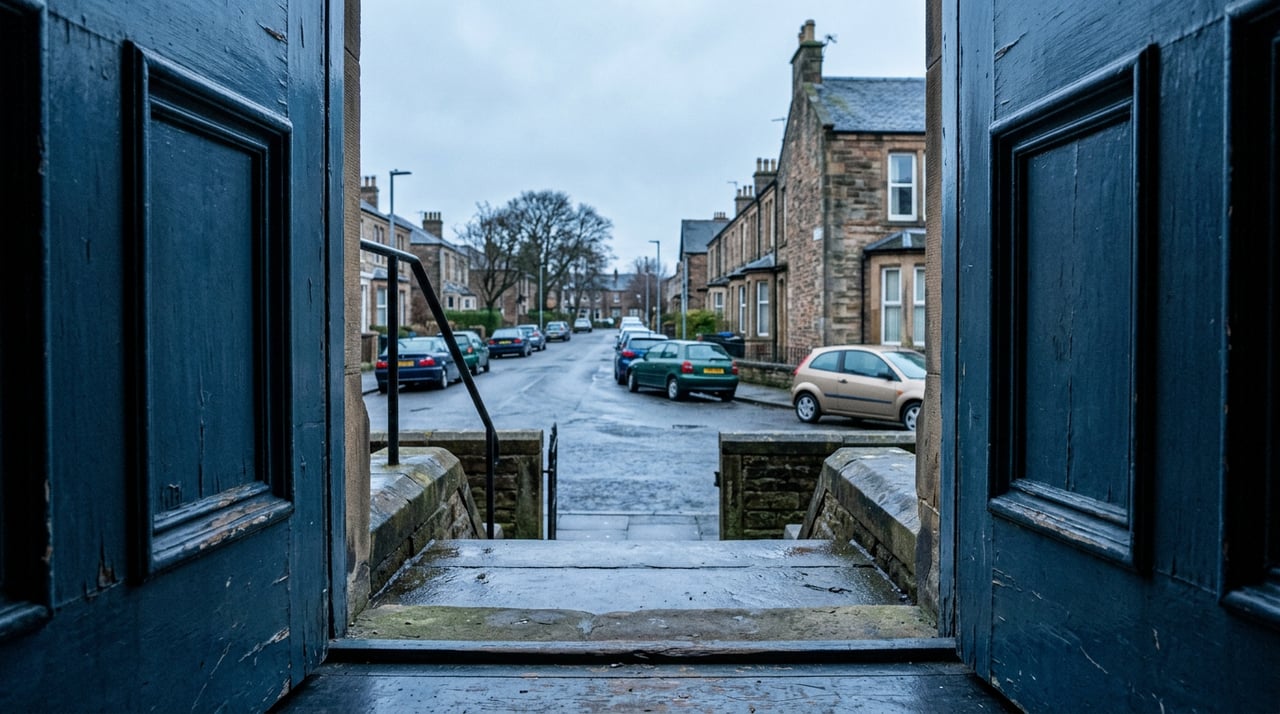
Stoops are not just architectural features. On many Bed-Stuy blocks, they help shape how the street feels from morning to evening. They create a small in-between space between the home and the sidewalk, which adds to the neighborhood’s familiar, social rhythm.
The overall effect is subtle but important. Instead of feeling sealed off, many homes participate in the life of the block through their frontage, their steps, and their relationship to the street.
Willoughby-Hart shows the pattern clearly
A current example of this brownstone character can be seen in the Willoughby-Hart Historic District. The city describes it as two blocks of distinctive late 19th-century row houses on Willoughby Avenue and Hart Street between Nostrand and Marcy Avenues. Most of the homes were built within a 20-year period beginning in 1871.
Within that small area, the mix includes Neo-Grec brownstones, some Second Empire houses, and Queen Anne and Romanesque Revival examples. For you as a resident or buyer, that helps explain why a short walk can feel visually rich even when the neighborhood remains mostly residential and calm.
Everyday errands stay close to home
Daily life on Bed-Stuy’s brownstone blocks is not only about architecture. It is also about convenience. The Bed-Stuy Gateway BID describes the Fulton Street corridor as a central Brooklyn commercial district with work focused on marketing, street cleaning, public safety, and beautification.
Its business directory shows a wide range of neighborhood-serving uses, including dining, shopping, beauty services, deli and grocery options, medical and wellness businesses, cleaners and laundry, financial services, insurance, realty, government agencies, and education. In practical terms, that means many routine errands can happen close to home.
Fulton Street supports repeat routines
This matters more than people sometimes expect. A neighborhood feels livable when you do not need to treat every outing like a trip across town. On many Bed-Stuy blocks, you can move from home life to errands, transit, and small daily needs without losing that residential feeling.
The food scene also reflects this everyday pattern. For example, the BID lists A&A Bake Doubles and Roti Shop on Fulton Street as a Trinidadian bakery and roti shop. That kind of local business adds to the area’s character because it reflects repeat-use places that residents return to regularly.
Parks shape the outdoor routine
Bed-Stuy’s outdoor life is often built around neighborhood-scale parks and playgrounds. Herbert Von King Park is one of the clearest examples. NYC Parks identifies it as a large park with athletic facilities, playgrounds, and a comfort station.
The park also hosts free Shape Up NYC fitness classes at the entrance near Tompkins and Greene by the pull-up bars. That tells you something useful about daily life here. Outdoor recreation is not only about destination parks. It is woven into ordinary neighborhood routines like walking, exercise, and time outside with children.
Small rituals make a big difference
When people picture quality of life, they often think about the bigger decisions first. But in practice, routines matter. A nearby playground, a familiar walking route, or a fitness class in the park can shape how connected you feel to where you live.
On Bed-Stuy brownstone blocks, that connection often comes through these smaller, repeatable habits. The neighborhood’s park network supports that kind of steady use.
Libraries and institutions anchor the neighborhood
One of the strongest features of Bedford-Stuyvesant is that it feels both residential and institution-rich at the same time. Libraries are a major part of that. Bedford Library reopened in April 2025 after improvements and is the Brooklyn Public Library system’s founding branch, now with an adult education center and energy-efficiency upgrades.
Other branches add to the neighborhood’s daily infrastructure. Marcy Library offers children’s programs, public computers, laptops, and access near bus and subway service. Macon Library’s African American Heritage Center includes resources focused on African American history and culture, with a special emphasis on Bed-Stuy history, along with exhibitions, author talks, and genealogy materials.
These places support everyday life
These are not background institutions. They are part of how the neighborhood works. Whether you are looking for programs, research resources, computer access, or simply a dependable public space, these branches contribute to the lived experience of the area.
That helps explain why Bed-Stuy often feels layered. The blocks are residential, but they are supported by civic and cultural places that make daily life more complete.
History stays present in Bed-Stuy
Bedford-Stuyvesant is widely recognized as one of the nation’s largest and best-known African-American and Caribbean-American residential communities, according to the Landmarks Preservation Commission. That broader context matters because it shapes how the neighborhood is experienced today, from institutions to businesses to public life.
Weeksville Heritage Center is an important example nearby. Its mission is to preserve and document Weeksville’s history through education and the arts, and it invites visitors to tour the Historic Hunterfly Road Houses. In real life, that means history is not sealed off from the neighborhood. It remains part of the area’s cultural presence.
Family-friendly destinations are nearby
For households who value nearby cultural options, Bed-Stuy also benefits from its Brooklyn context. In nearby Crown Heights, the Brooklyn Children’s Museum describes itself as the world’s first children’s museum and New York City’s largest cultural institution designed especially for families. It serves 300,000 children and caregivers each year and offers three floors of interactive exhibits and hands-on cultural and science programs.
That kind of nearby access adds another layer to everyday life. Your home block may feel calm and residential, but you are still connected to a broader network of family-oriented and cultural destinations.
What this means if you are moving to Bed-Stuy
If you are considering a move to Bedford-Stuyvesant, the brownstone blocks offer more than visual charm. They offer a specific lifestyle pattern. You get residential streetscapes, close-at-hand errands, neighborhood parks, public institutions, and a strong sense of place shaped by history and architecture.
That is why Bed-Stuy tends to feel hyperlocal. One block may stand out for its intact row houses and stoops, while another may feel especially convenient to a library, a business corridor, or a park. Understanding those block-level differences can make a real difference when you are deciding where to buy.
Why block-by-block knowledge matters
In a neighborhood like this, broad labels only tell part of the story. The feel of a row house block, the mix of nearby institutions, and the rhythm of everyday errands can vary within a short walk. If you are buying or selling a brownstone, townhouse, condo, co-op, or multi-family property here, those details matter.
That is where local context becomes valuable. A team that understands Bed-Stuy block by block can help you look beyond the headline and focus on how a location actually lives day to day.
If you are thinking about buying or selling in Bedford-Stuyvesant, Joseph Dima can help you understand the market with the kind of neighborhood-specific guidance that makes complex decisions clearer.
FAQs
What is everyday life like on Bedford-Stuyvesant brownstone blocks?
- Everyday life in Bedford-Stuyvesant often centers on residential row house blocks, stoops, nearby errands, local parks, libraries, and neighborhood institutions that support a steady block-by-block rhythm.
What types of homes define Bedford-Stuyvesant brownstone areas?
- The area is defined largely by masonry row houses, many about 12 to 25 feet wide, often with stoops, front areaways, rear yards, and architectural styles like Italianate, Neo-Grec, Queen Anne, Romanesque Revival, and Renaissance Revival.
What makes the Willoughby-Hart Historic District notable in Bedford-Stuyvesant?
- The Willoughby-Hart Historic District highlights two blocks of late 19th-century row houses on Willoughby Avenue and Hart Street, with a mix of Neo-Grec, Second Empire, Queen Anne, and Romanesque Revival design.
What everyday errands can you do near Bedford-Stuyvesant brownstone blocks?
- The Fulton Street corridor includes dining, grocery, beauty services, cleaners, wellness businesses, financial services, government agencies, and other practical stops that support daily routines close to home.
What parks support outdoor life in Bedford-Stuyvesant?
- Herbert Von King Park supports outdoor routines with playgrounds, athletic facilities, a comfort station, and free Shape Up NYC fitness classes, making it part of many residents’ regular neighborhood use.
What cultural and library resources are part of Bedford-Stuyvesant daily life?
- Bedford Library, Marcy Library, and Macon Library all contribute to daily life through programs, computers, educational resources, and Bed-Stuy-focused history collections, while Weeksville Heritage Center adds a strong historical and cultural presence nearby.