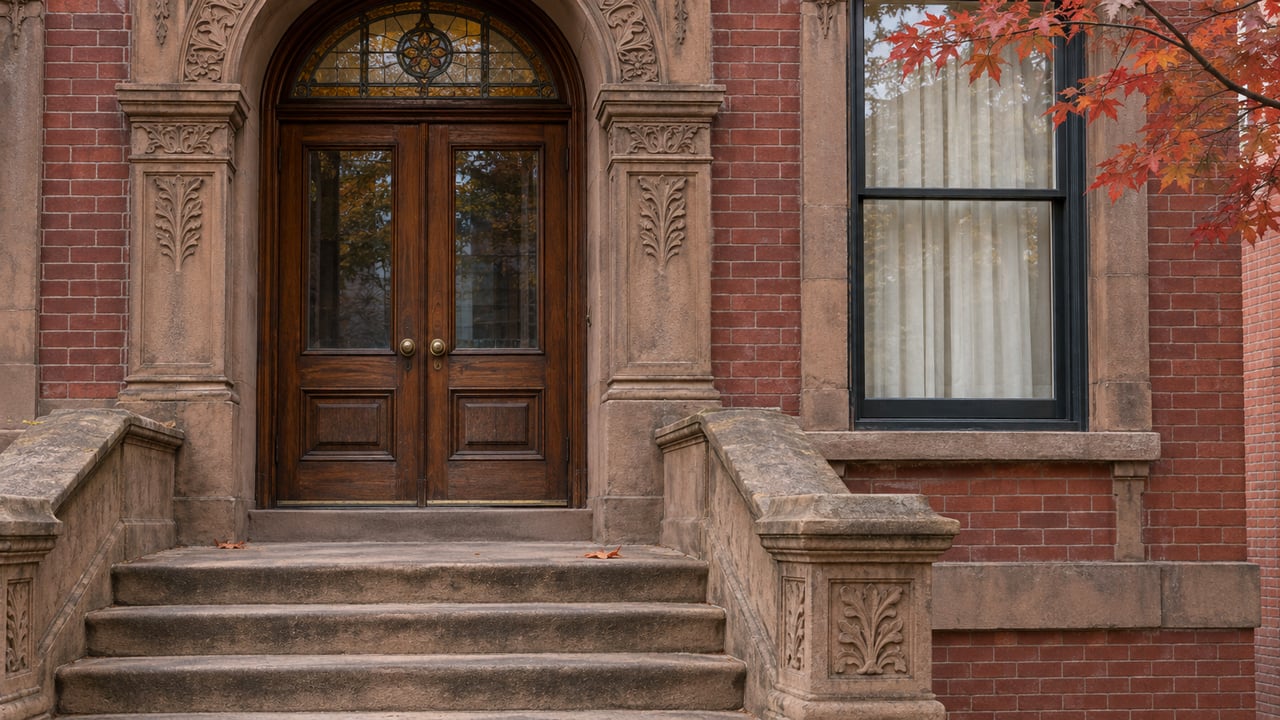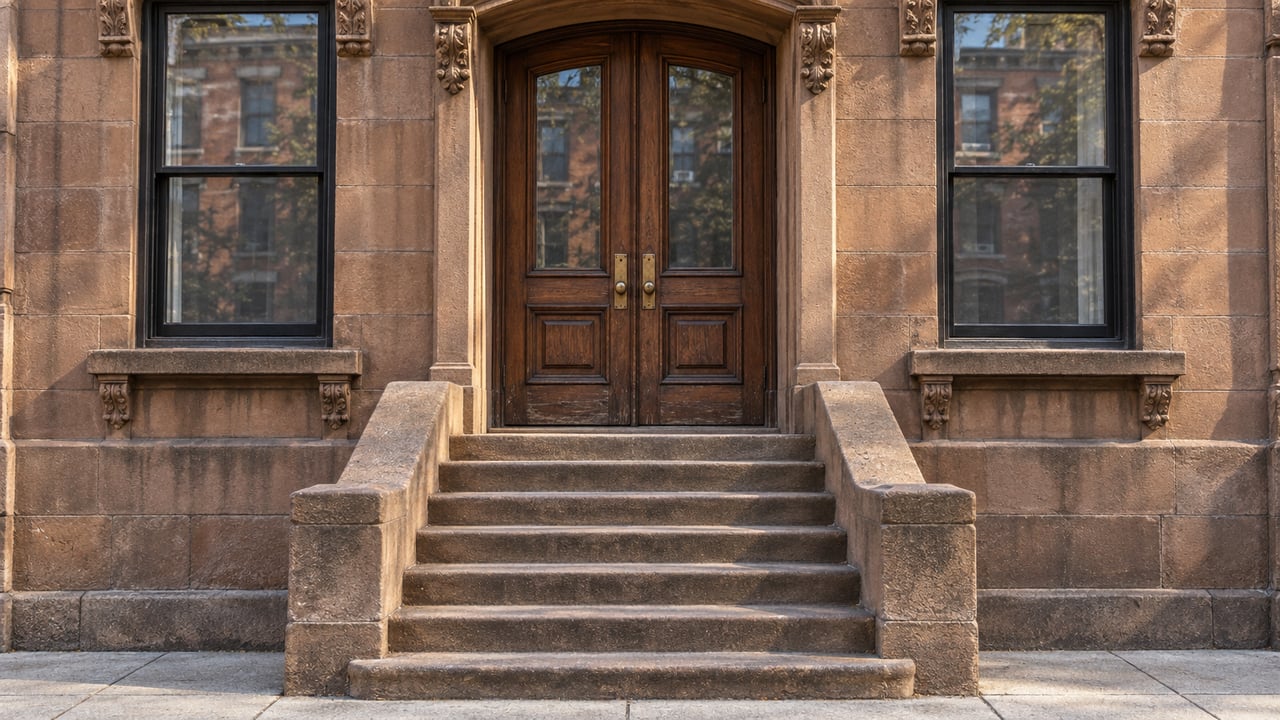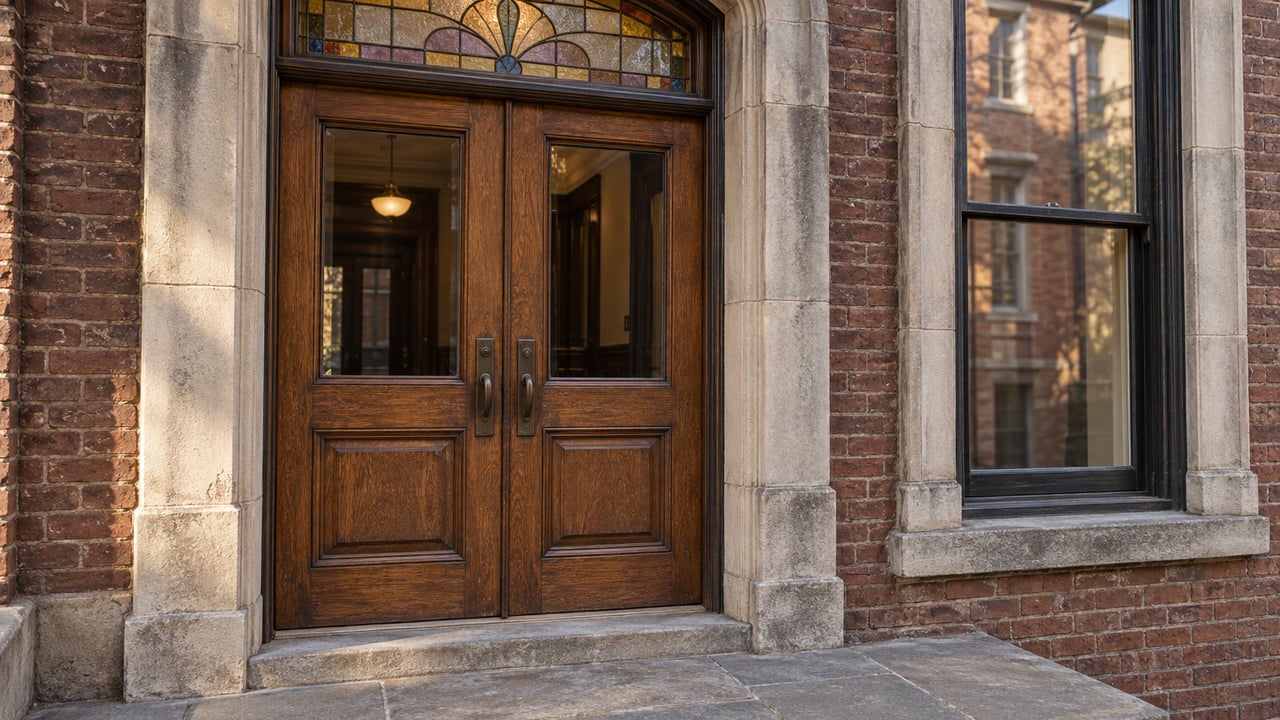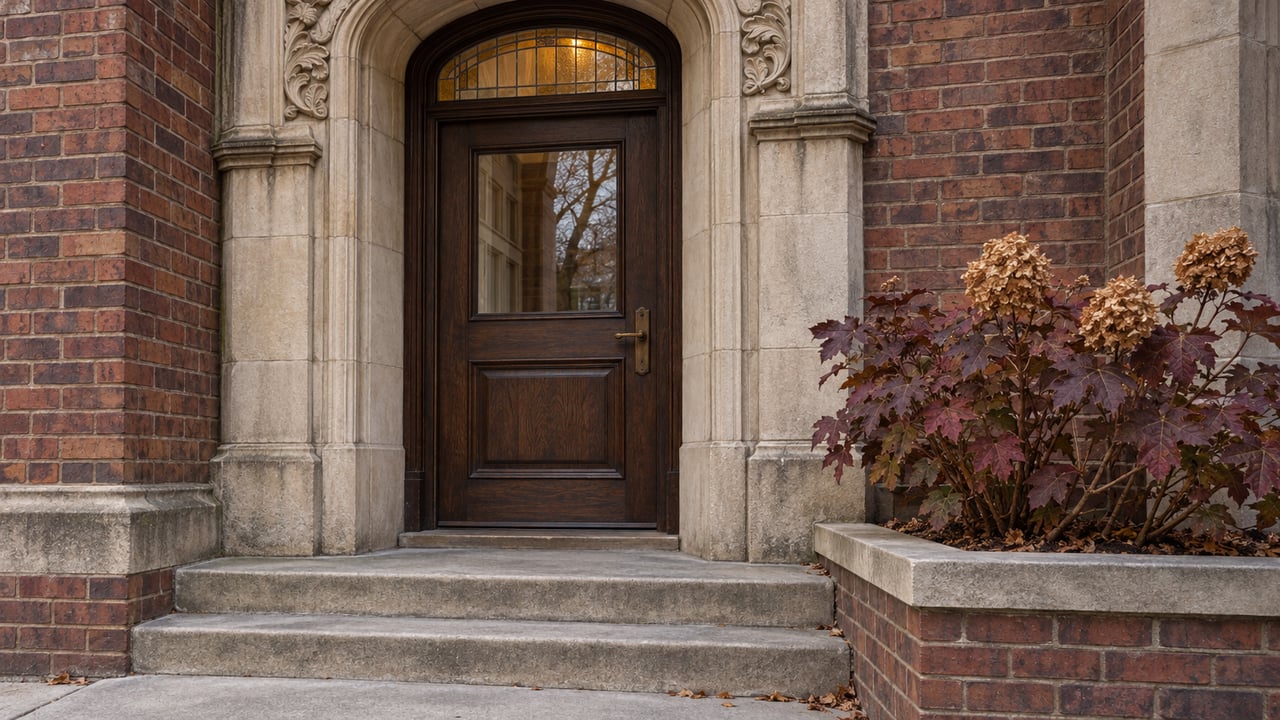
"What we've learned is that the purpose of art-making or being an artist can be about making connections together in a community." Oasa DuVerney said that for The Met's Civic Practice Partnership, where she and Mildred Beltré were artists in residence from 2023 to 2025. Over that residency the two artists sat on the sidewalk with their Crown Heights neighbors, recorded their stories, and photographed the objects their families kept. This Saturday, November 7, those stories come out as a book.
The book is called Before It's Gone: Archive to Survive. Brooklyn Hi-Art! Machine, or BHAM, will launch it at Weeksville Heritage Center with a free panel discussion. Much of what BHAM has made since 2010 was meant to come down. Each summer's fence weaving is replaced by a new one, and its museum and park installations have all had closing dates. The book is the first BHAM project made to stay, and the words in it belong to the people who live on the block.
A tent, a table and a chain-link fence
BHAM started in Beltré's and DuVerney's homes. The two have lived in the same Crown Heights building for more than twenty-five years. Their collaboration grew out of drawing and sewing nights they took turns hosting in each other's apartments. In summer 2010 they took those sessions outside, with tents, tables, a banner and art supplies on the sidewalk. Beltré's artist page says they set up as the block's "Official Unofficial Artists in Residence."
The location was always specific. In July 2013, BHAM's own blog announced that the season would open with a tenant-rights meeting and barbecue "on the sidewalk on Lincoln Place between Franklin and Classon Aves." Workshops followed three afternoons a week, with paper monuments on Wednesdays, terrariums on Thursdays and silkscreening on Fridays. All three days, neighbors also worked on an herb garden planted in a chain-link fence.
That fence became BHAM's best-known work. According to The Met, "Every summer, Brooklyn Hi-Art! Machine installs a new fence weaving for the neighborhood by wrapping colored ribbons through the wires of a chain-link fence on their block." Each new message replaces the last one. Two past weavings read "We are the small talk, the banter, the laughter / We are the first words, and the parting ones" and "We are the sashay and the strut and the swagger / We are the song that never ends."
Where the block's words have traveled, and how long they stayed
From the start, BHAM's art came with practical help. In 2015 the artists printed and gave away The Brooklyn Hi-Art! Machine presents a guide to Tenant Rights and Community Activities. That same summer, neighbors screen-printed posters and helped weave the fence. In a 2016 paper, Beltré described how the project grew from open sidewalk workshops and free snacks into tenant-rights meetings, installations, a free publication and partnerships with local groups and artists.
Over time, the work began to leave Lincoln Place. Almost every outside installation had an end date:
| Years | Work | Where | Run |
|---|---|---|---|
| 2012 | We Are Still Here | Annual fence weaving | One season |
| 2013 | Hope Less, Do More | Annual fence weaving | One season |
| 2014 | Do Not Disappear into Silence | Annual fence weaving | One season |
| 2015 | The Guilty Ones Are Not Those Who Commit the Sins, But Those Who Create the Circumstances | Annual fence weaving | One season |
| 2016 | NYC Parks and ArtBuilt residency | Brower Park | Aug. 15 to Sept. 30, 2016 |
| 2018–19 | Something to Say: Brooklyn Hi-Art! Machine | Brooklyn Museum balcony | Sept. 13, 2018 through June 2019 |
| 2018–19 | Fence weaving for Nou La – We Reach! | Wyckoff House Park | June 16, 2018 to June 15, 2019 |
| 2020–21 | Inspired by "What Is Left" | Prospect Park Bandshell | Oct. 2020 to June 2021 |
| 2023 | The Song that I Sing is Part of an Echo | MetFest at The Met | Oct. 21, 2023 |
Follow one line through the table. "Do Not Disappear into Silence" was the block's fence weaving in 2014. Four years later, it hung in red capital letters across the balcony above the Brooklyn Museum's main entrance, according to a University of Vermont feature on the project. At Wyckoff House Park, the yearlong weave spelled out "Stories Tell Of Loss Each New Land Allows New Dreams," a reflection on migration and Brooklyn's history.
Brower Park in Crown Heights hosted BHAM from mid-August through September 2016. The program there included screenprinting, fence weaving, crochet and weaving with recycled plastic, gardening, barbecues, tenant-rights sessions, a bike-repair giveaway and a Working Moms Labor Day event. If you spend summers in Brower Park, BHAM's residency was on that park's calendar ten years ago.
Some of the work was openly about the neighborhood's changes. In 2016 the artists co-created Gentrifiers Anonymous, a discussion meeting and pamphlet project. Hyperallergic reported that Beltré opened the session with "Hi, everyone I'm Mildred, and I'm a gentrifier." At the Bandshell in 2020, BHAM put up neon text based on Lucille Clifton's "won't you celebrate with me." In an interview with Brooklyn Paper, Beltré called it "a way to think about this moment and to think about our lives."
Every piece in that table either came down or was replaced. In a February 2021 interview with Prospect Park Alliance, DuVerney described her plans for the future this way: "More fence weavings, and more art making in the streets for the people."
Four questions, asked on the sidewalk
For the book, BHAM used its usual method and pointed it at something more permanent. From June 16 to July 23, 2023, the same weeks that year's fence weaving went up, Beltré and DuVerney sat outside with neighbors and asked them four questions.
- How long have you lived in the neighborhood?
- Can you tell us a story about living on our block?
- What is something you would like to see change?
- What is something you want to remain the same?
They also made family portraits, something BHAM does every summer to record how Crown Heights families change over time. They photographed objects that neighbors' families treasure. The Met describes the result as the artists' "concept of a community-based archive."
The third and fourth questions treat a neighbor as someone with a stake in what happens next, not only as a source of memories. In a statement on Weeksville's event page, the co-creators describe what came back. "We asked neighbors to tell us a story about living on the block. The stories recall neighbors and places no longer in the neighborhood. Together they recall tragedy, love, and laughter."
What is between the covers
The fence weavings use a few lines each. The book has room for more. It is an embossed paperback with three ribbon bookmarks and 168 full-color pages of photos, artwork and text, measuring 9 by 8 inches, according to BHAM's online shop. The shop says the stories were gathered over two years and calls the book "communal testimony of the lives lived on our block."
There are three ways to buy it on the shop page:
- Retail Price, listed at $50.00
- Book plus BHAM Ephemera, which adds stickers, bookmarks and zines
- Community Price, a separate option on the same page
Copies will also be for sale at the launch, and the authors may sign books after the panel.
Saturday at Weeksville
The launch is on Saturday, November 7, 2026, at Weeksville Heritage Center. Admission is free, and you can RSVP on Eventbrite. Weeksville lists the event from 3 to 6 p.m., but another line on the same page says 2 p.m., so check the RSVP page before you go. Weeksville says the afternoon will look at art and community engagement as ways of "preserving Black and Brown geographies in Brooklyn."
The two artists say the venue suits the book. "Weeksville has always been a place of resistance and preservation of the past while looking to the future," DuVerney and Beltré said in their statement for the event. If you have already been to Weeksville's fall season, this Saturday adds an archive of a Crown Heights block put together by the people who live on it.
If you have lived on your Crown Heights block long enough to tell its stories, we'd love to hear them, and we'll keep sharing local projects like this one in our Crown Heights neighborhood guide. The Dima Lysius Team works across Crown Heights and Bed-Stuy, and we're always glad to talk about the blocks we share. Contact Us.