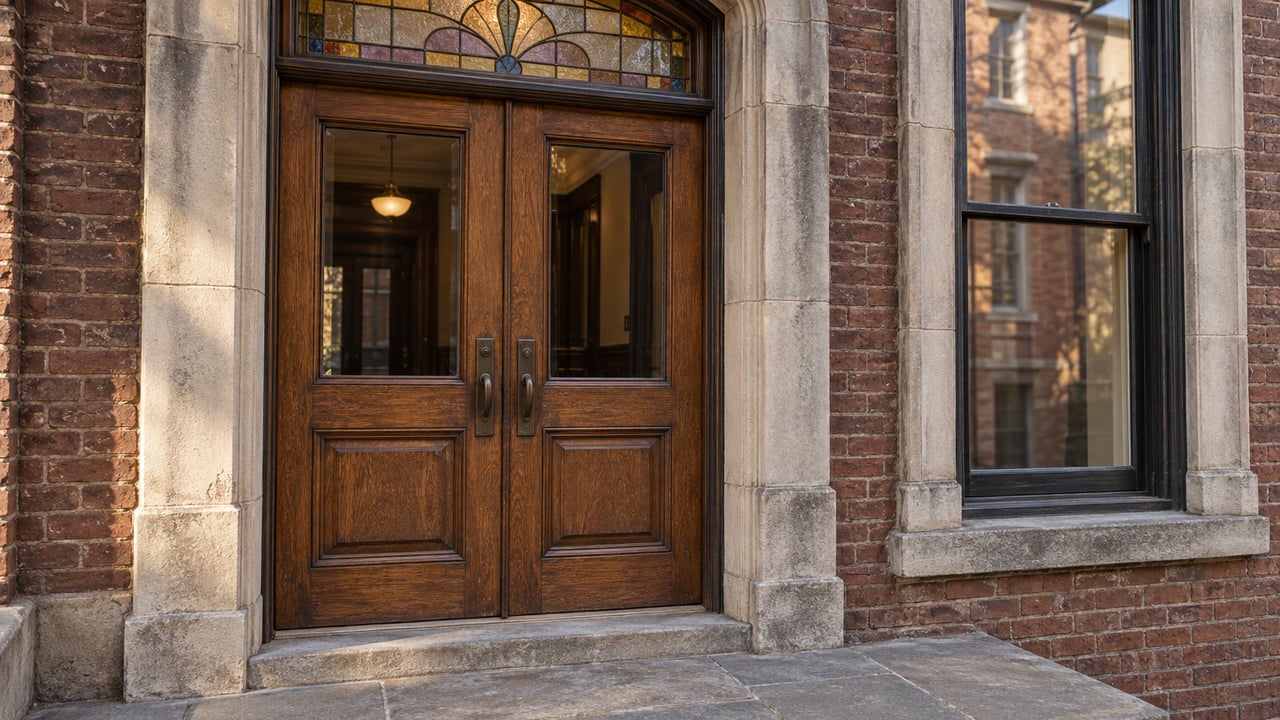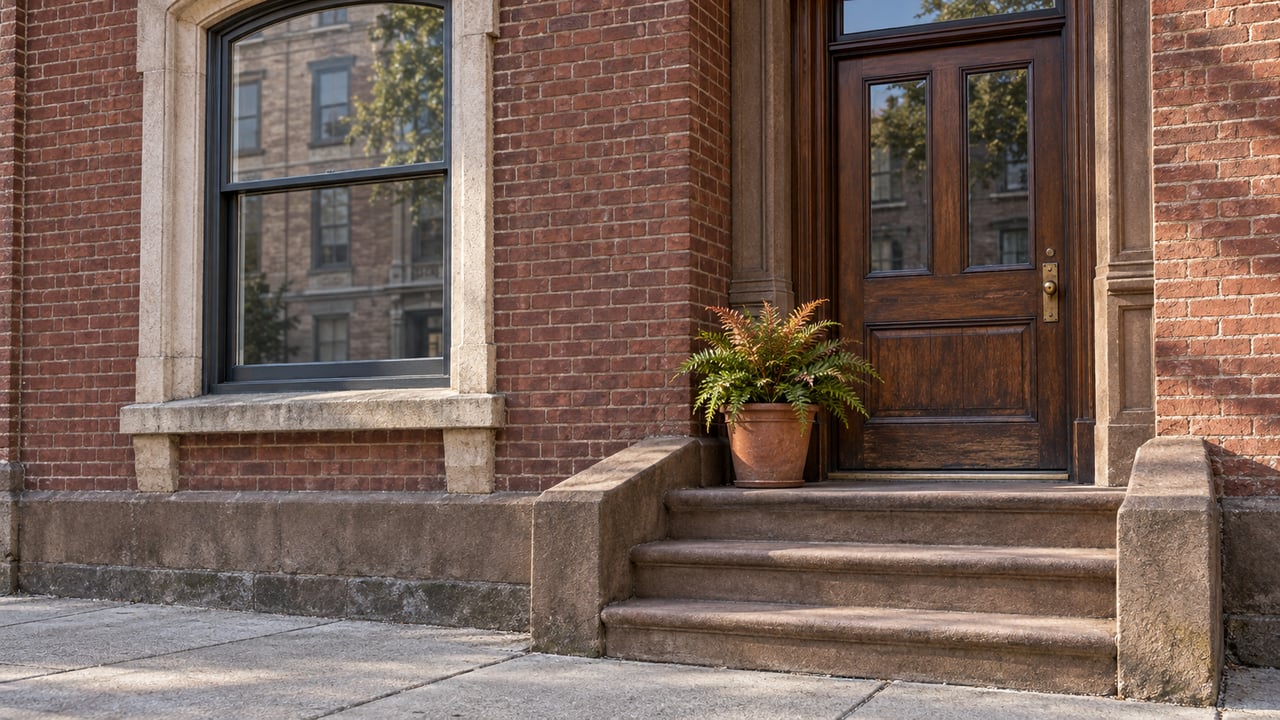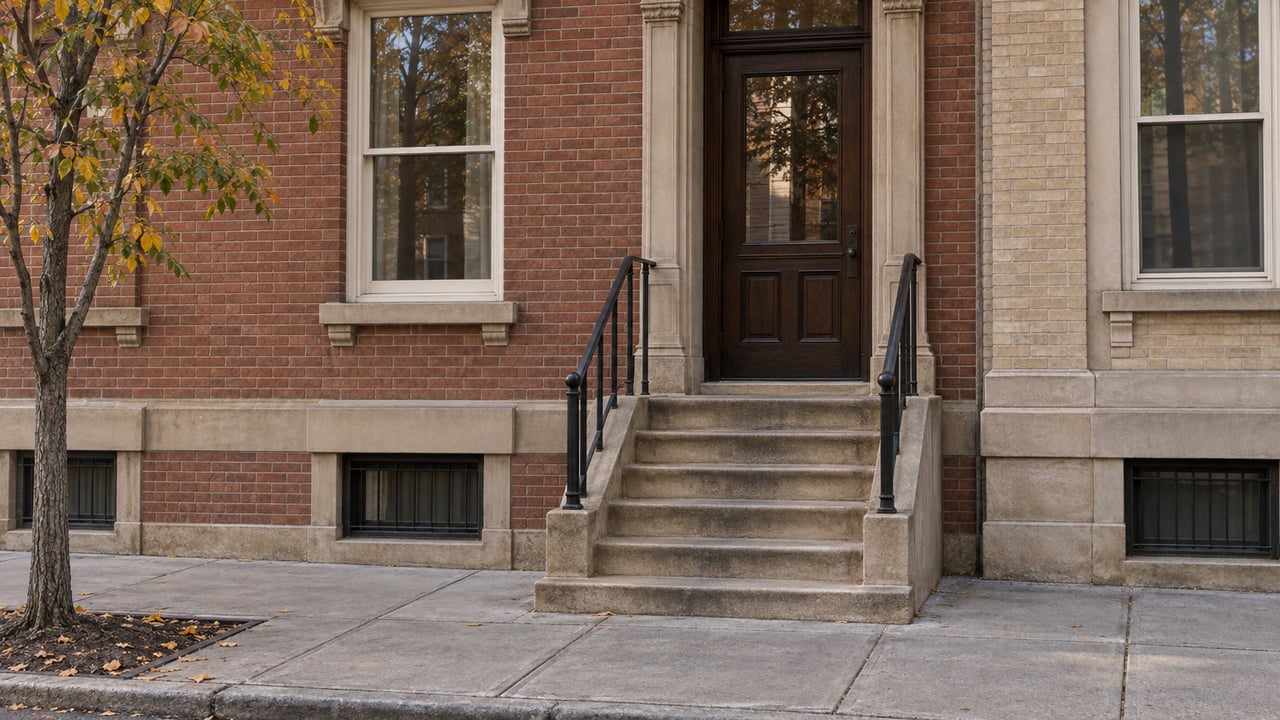
If you are serious about buying in Bedford-Stuyvesant, showing up for tours without your finances and paperwork in order can put you a step behind. In a neighborhood where you may be comparing brownstones, condos, and co-ops at very different price points and carrying costs, preparation matters long before you make an offer. The good news is that a little work upfront can help you tour with more confidence, move faster when the right home appears, and avoid costly surprises. Let’s dive in.
Why Bed-Stuy buyers need to be ready
Bedford-Stuyvesant offers a wide mix of housing, from historic brownstones and townhouses to condos and co-ops. StreetEasy describes the neighborhood as a large Brooklyn community with active commercial corridors and a commute to Manhattan of about an hour.
The market also calls for focus. StreetEasy reports a median sale price around $1.3 million, and its December 2025 neighborhood ranking showed a median asking price of $1,642,450, with 240 homes for sale and inventory up 7.6% year over year. That gives you options, but it does not remove the need to be organized when a strong listing hits.
Get your financing lined up first
Before you start serious touring, you should know what you can comfortably afford each month. That means more than a rough online estimate. You want a budget that accounts for your mortgage payment, insurance, property taxes, closing costs, moving costs, and any repairs or improvements you may need after closing.
You should also think through your income, credit, debt, and down payment funds before stepping into homes. Basic readiness includes steady income, manageable long-term debt, money set aside for the purchase, and enough room in your budget for both expected and unexpected housing costs.
Compare multiple preapprovals
A preapproval helps a lender estimate how much you may be able to borrow and what interest rate you are likely to receive. It also signals to sellers that you are a serious buyer.
For that reason, it is smart to get at least three preapprovals before you begin touring seriously. Preapprovals typically expire in 30 to 60 days, so timing matters. If you start too early, you may need to refresh your paperwork before you are ready to offer.
Build a real monthly budget
In Bed-Stuy, your monthly cost can change a lot depending on what you buy. A townhouse, condo, and co-op may carry very different expenses even if the purchase prices look similar.
A stronger budget should include:
- Estimated mortgage payment
- Real estate taxes or maintenance charges
- Common charges, if applicable
- Insurance costs
- Utilities
- Closing costs
- Moving expenses
- Repairs, updates, or furniture
A 20% down payment can improve your approval odds, but lower-down-payment options may still be available. You should compare fixed-rate and adjustable-rate loans, loan terms, points, and total monthly cost, not just the headline rate.
Know the NYC costs buyers often miss
One of the biggest mistakes buyers make is focusing only on list price. In New York City, closing and tax-related costs can materially change what you need to bring to the table.
If you are buying residential property for $1 million or more, New York State imposes a 1% mansion tax. In New York City, buyers generally pay that tax, and purchases of $2 million or more may also trigger a supplemental tax.
If you are financing the purchase, you should also budget for mortgage recording tax. In New York City, that tax applies to mortgages, and the combined state and city rate depends on the mortgage amount.
Tax class affects carrying costs
Property type matters here too. In New York City, one- to three-family homes are generally Class 1, while condos and co-ops are generally Class 2.
That affects how assessed value and property taxes are calculated. In practical terms, a Bed-Stuy townhouse may have a very different cost structure than a condo or co-op, even beyond the mortgage itself.
Check if you qualify for HomeFirst
If you are a first-time buyer, NYC HPD’s HomeFirst program may be worth reviewing. Eligible buyers may be able to receive up to $100,000 toward down payment or closing costs for a one- to four-family home, condo, or co-op in the five boroughs.
The program has eligibility rules, including first-time-buyer status, income limits, homebuyer education, buyer contribution requirements, and use of your own funds. Buyers must contribute at least 3% from their own funds.
Organize your loan file before touring
When the right home appears, speed matters. That is much easier when your documents are already gathered, current, and easy to send.
A solid loan packet should include:
- Last 30 days of pay stubs
- Last two years of W-2s
- Signed federal tax returns for the last two years
- Documentation of any other income
- Two most recent bank statements
- Proof of the source of your down payment
- Gift letter, if any funds are being gifted
- Proof of identity
- Social Security number
- Housing counseling certificate, if applicable
Lenders often ask for updates as the file moves forward. You may need to explain large deposits, verify non-employment income, or provide more recent account statements. It helps to keep digital copies ready and respond quickly when new requests come in.
Understand what you are touring
In Bed-Stuy, readiness is not only about financing. It is also about understanding the kind of property you are walking into.
A townhouse, condo, and co-op can involve very different ownership structures, monthly costs, and due diligence. If you treat them all the same, you may misread the true cost or complexity of the purchase.
Touring co-ops and condos
With a co-op, you are generally buying shares in a corporation along with a proprietary lease. Monthly maintenance can include building expenses, property taxes, and sometimes underlying mortgage debt.
With a condo, you own real property directly. You generally pay your own real estate taxes plus common charges.
That difference matters when comparing monthly affordability. It also matters during due diligence, because for co-ops and condos you should be ready to review building-level materials, not just the apartment itself.
Important materials can include:
- Offering plan and amendments
- House rules and bylaws
- Board minutes
- Building questionnaire
- Two most recent audited financial statements
The New York State Attorney General recommends reading the full offering plan and consulting an attorney before signing a purchase agreement.
Touring brownstones and townhouses
If you are focusing on Bed-Stuy brownstones or townhouses, one issue to flag early is the Certificate of Occupancy. The NYC Department of Buildings advises buyers to negotiate based on a final Certificate of Occupancy rather than a Temporary Certificate of Occupancy.
That matters because if a temporary certificate expires, it may become difficult or impossible to insure, sell, or refinance the property. If a listing raises any occupancy questions, your attorney should investigate them early.
Bring a smart touring checklist
A showing is not just about whether the kitchen looks good in person. It is your chance to spot issues, compare properties clearly, and gather questions before the process moves forward.
As you tour, pay close attention to how the home functions. The New York State Attorney General recommends checking practical items like appliances, plumbing, heating, and air conditioning, while also watching for leaks, basement flooding, loose wiring, foundation cracks, sticking doors or cabinets, and attic ventilation where applicable.
A useful touring checklist includes:
- Condition of appliances
- Water pressure and plumbing function
- Signs of leaks or water intrusion
- Electrical condition and visible wiring issues
- Cracks in walls or foundation areas
- Window and door operation
- Heating and cooling performance
- Basement or lower-level moisture concerns
- Overall maintenance level
Keep written notes as you go. After a few tours, details can blur together, especially when you are comparing different property types.
Know what happens after you find the one
In New York, an accepted offer is usually not the final binding step. Buyers and sellers are typically not legally obligated until the formal contract is signed.
That is one reason many buyers hire an attorney early. In New York residential transactions, attorneys are commonly involved, and brokers cannot draft legal documents or give legal advice. Early legal guidance can help you understand contract terms, contingencies, and property-specific concerns before they become expensive problems.
Be ready for the contract deposit
Once a contract is signed, buyers commonly make a 10% down payment. That means you should know where those funds are coming from and make sure the money is seasoned, documented, and available when needed.
If your funds include a gift, that paper trail should be clean and ready. Last-minute scrambling can slow a deal that otherwise could have moved smoothly.
Understand the mortgage timeline
New York contracts often include a financing timeline. Buyers are usually given a period, often 30 to 90 days, to obtain a mortgage commitment.
If financing does not come through within the contract terms, the buyer may be able to cancel and recover the deposit. The exact terms matter, which is another reason preparation before touring can save stress later.
The simplest way to stay competitive
In Bed-Stuy, serious buyers do not just tour homes. They tour with a current preapproval, a realistic budget, a complete document file, and a clear understanding of whether they are evaluating a townhouse, condo, or co-op.
That level of preparation helps you move quickly without skipping important review steps. You can stay competitive while still leaving room for inspection, attorney review, building due diligence, and thoughtful decision-making.
If you are preparing to buy in Bedford-Stuyvesant and want grounded guidance on financing, property type, and what to watch for block by block, Joseph Dima can help you tour with a sharper plan and stronger footing.
FAQs
What documents should you have ready before touring Bed-Stuy homes?
- You should have recent pay stubs, the last two years of W-2s and signed tax returns, two recent bank statements, proof of down payment funds, proof of identity, and any gift letter or housing counseling certificate if applicable.
Why do Bed-Stuy buyers need a preapproval before serious tours?
- A preapproval helps you understand your price range, shows sellers you are serious, and makes it easier to move quickly when the right Bedford-Stuyvesant home comes on the market.
How do co-ops, condos, and townhouses differ in Bed-Stuy?
- Co-ops involve share ownership and monthly maintenance, condos involve direct ownership with real estate taxes and common charges, and townhouses often come with a different tax class, maintenance responsibility, and due diligence process.
What New York City costs should Bed-Stuy buyers budget for?
- Buyers should plan for closing costs, the mansion tax on residential purchases of $1 million or more, mortgage recording tax if financing, and ongoing carrying costs such as taxes, maintenance, common charges, insurance, and utilities.
Why should Bedford-Stuyvesant townhouse buyers check the Certificate of Occupancy?
- The NYC Department of Buildings recommends negotiating based on a final Certificate of Occupancy because an expired Temporary Certificate of Occupancy can create problems with insurance, resale, or refinancing.
When does an accepted offer become binding in a New York City purchase?
- In most New York residential transactions, an accepted offer is usually not binding until the formal contract is signed by the parties.