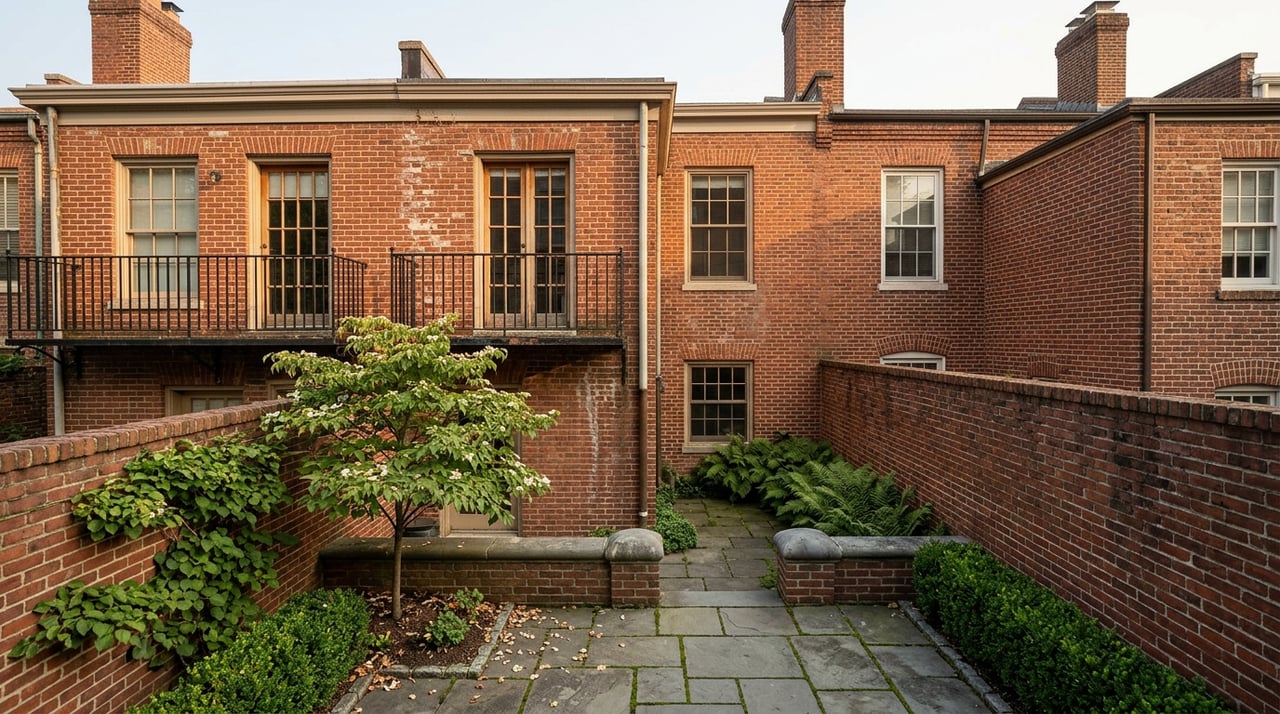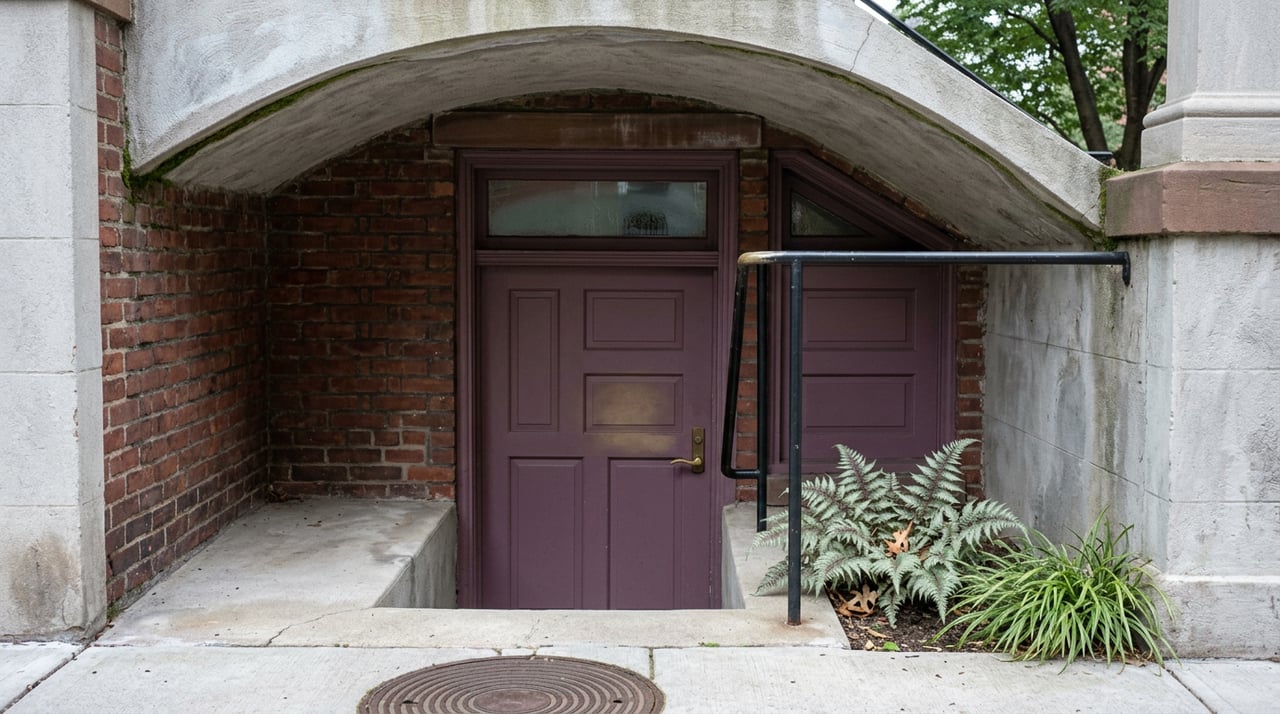
Two apartments came up for rent in Bedford-Stuyvesant this summer, a few blocks apart from each other. One is a unit at 12 Halsey Street, a new development leasing through a broker: $6,750 in base rent, two months free on a 14-month lease, which works out to a net effective rent of $5,786 once the concession is spread across the term. The other is a garden-level one-bedroom on Jefferson Avenue between Marcy and Tompkins, posted directly by the couple who owns the brownstone and lives upstairs with their two kids. Asking rent: $2,800. No broker touched the listing at any point, and none was going to.
Both are Bed-Stuy rentals. Only one of them was meaningfully reshaped by the law that was supposed to change how every New Yorker rents an apartment.
What the Law Actually Does
The Fairness in Apartment Rental Expenses Act took effect on June 11, 2025, and it rests on one principle: whoever hires the broker pays the broker. Before the law, a landlord could hire an agent, that agent could find a tenant, and the tenant walked away with the bill, typically 12 to 15 percent of a year's rent. Now that fee follows the person who requested the service. Landlords must also spell out every fee a tenant will owe before a lease gets signed. The city's Department of Consumer and Worker Protection enforces it, and violations can run up to $2,000 per incident.
That is a real shift, and it matters most for exactly one kind of transaction: a landlord hires a broker, the broker lists the unit, and a stranger applies through that listing. It matters far less for a transaction that never had a broker in it to begin with, and a large share of Bed-Stuy's rental stock falls into that second category.
The Shape of the Housing Stock Does the Explaining
According to RentCafe's most recent tally, 79 percent of Bedford-Stuyvesant households rent rather than own. But look at where those renters actually live: 81 percent of the neighborhood's apartments sit in buildings with fewer than 50 units, and only 18 percent are in larger, professionally managed properties. Less than one percent are single-family rentals.
That distribution is the whole story. A law aimed at fee arrangements between hired agents and prospective tenants has the most work to do in buildings large enough to justify a management company hiring a leasing agent in the first place. Bed-Stuy is mostly the other kind of building: a three- or four-story brownstone with an owner living in one unit and renting out the rest, filling vacancies the way owners in this neighborhood have filled them for decades, by posting on Listings Project or telling a neighbor.
Look at how these owners actually write their listings. One post for a top-floor apartment in Stuyvesant Heights East opens with the owner noting they live downstairs on the bottom two floors and will personally show the space. Another, a block and a half from Herbert Von King Park, comes from a couple who describe themselves as two Brooklyn professionals who own the building, live upstairs with their new baby, and are looking for considerate neighbors as much as tenants. A third, a garden-level one-bedroom in a landmarked brownstone near the Nostrand A stop, comes from a household of two working parents who ask applicants why they're moving and whether they'll need a guarantor, the same way you'd screen someone before introducing them to your block.
None of that changed on June 11, 2025, because none of it ran through a hired broker before that date either.
Where the Law Does Bite, It's Getting Messy
The buildings where the FARE Act's math actually applies aren't behaving cleanly a year in. StreetEasy's one-year review found the law was associated with a 1.1 percent rise in average asking rents for broker-represented units, while renters saved an average of $5,862 in upfront costs at lease signing. That's the trade landlords and renters have settled into: a little more in monthly rent, a lot less due on day one.
But a Real Deal report published this week, drawing on Bloomberg reporting, describes a workaround spreading through the broker side of the market: agents charging renters a fee just to see a listing, a kind of paywall before the front door. One Brooklyn renter described paying an agent $4,000 for access to a two-bedroom she ultimately leased, at a rent 60 percent below market, calling it a good deal that still left her feeling taken advantage of. Bohemia Realty Group co-owner Sarah Saltzberg told the outlet the law has put brokers in a tough spot, calling the current rules "so much more complicated than it needs to be."
New York City's consumer protection agency has logged more than 1,400 FARE Act complaints since the law took effect, with roughly 50 leading to summonses so far. That enforcement gap, and the access-fee workaround it's created, is a broker-market problem. It has nothing to say to the couple on Jefferson Avenue deciding whether to rent their garden unit to the applicant with the better paystub or the one who seemed like a better fit for the block.
Reading a Bed-Stuy Listing Before You Reply
The two rental experiences look different enough on paper that it's worth knowing which one you're stepping into before you send a message.
| Broker-mediated (new development) | Owner-direct (brownstone) | |
|---|---|---|
| Base rent vs. actual cost | Listing shows base rent and net effective rent separately, often with a stated concession | Asking rent is the rent, no separate breakdown |
| Who you deal with | Leasing agent or management company | The person who owns and often lives in the building |
| Application | Standardized credit and income screening | Personal note, employment history, sometimes a guarantor request, occasionally a short conversation about who you are |
| Fee exposure | Landlord pays the broker under current law | No broker fee was ever in the transaction |
| Lease terms | Often longer or non-standard terms tied to concessions (14 months, for example) | Typically a standard one-year lease |
If you're reading a listing that shows two rent figures, or references a leasing office, you're in the part of the market the FARE Act was written for. If you're reading a message from someone describing their own apartment and asking why you're moving, you're in the part of the market that operates on a different set of norms entirely, and always has.
What to Have Ready for an Owner-Occupied Application
The Bed-Stuy listings above all ask for some version of the same things, because the owner is vetting a future neighbor, not just a rent check:
- A short personal note explaining who's applying and why you're moving
- Proof of income, usually a pay stub or W-2
- A guarantor if your income doesn't clear the building's threshold
- A landlord reference from your current or previous apartment
- Willingness to have a conversation, in person or by video, before signing anything
None of this shows up in a FARE Act fee disclosure, because none of it is a fee. It's the actual friction of renting from someone who lives in the building, and it's the part of the process that a citywide law about broker fees was never going to touch.
If You're Comparing Bed-Stuy to Other Brooklyn Neighborhoods
The practical takeaway for anyone weighing where to rent in central Brooklyn is that the FARE Act headline, savings on move-in costs, a landlord now footing the broker bill, describes a specific kind of building far better than it describes Bedford-Stuyvesant as a whole. A neighborhood with more large rental buildings will feel the law's effects more directly. Bed-Stuy's rental market, shaped by small brownstone buildings and owners who live in them, was already running on a different set of rules, and largely still is.
That's also part of why rent figures for the neighborhood vary so widely across the trackers that publish them, sometimes by several hundred dollars for what's described as the same average. When most of a neighborhood's inventory moves through owner-direct channels instead of standardized listing feeds, no single number is going to capture it cleanly. Treat any headline rent figure for Bed-Stuy as a starting point for a conversation, not a fixed answer.
FAQ
Does the FARE Act apply if my landlord lives in the building? The law applies regardless of building size or whether the landlord is an on-site owner. In practice, though, many owner-direct listings never involved a hired broker before the law or after it, so the fee-shifting provision has nothing to shift.
How do I tell if a listing is broker-mediated or owner-direct before I reach out? Broker and new-development listings typically show a base rent alongside a net effective rent and reference a leasing office. Owner posts usually read like a message from the person who actually lives there, often mentioning the block, the building, or their own household.
What if someone asks me to pay a fee just to see an apartment? That's the workaround regulators are actively looking at. You can file a complaint with New York City's Department of Consumer and Worker Protection, which enforces the FARE Act and has been fielding complaints on exactly this pattern.
If you're weighing a rental move against a longer-term purchase in Bed-Stuy, or trying to figure out which side of this market a specific listing falls on, DaQuan Baker works directly with renters across the neighborhood and can walk through what a given building or block actually expects from an applicant. For a broader look at how Bed-Stuy compares to nearby options, our guide to Bed-Stuy versus Crown Heights covers the buying side of that same decision. Reach out to The Dima Lysius Team whenever you're ready to talk through your options.