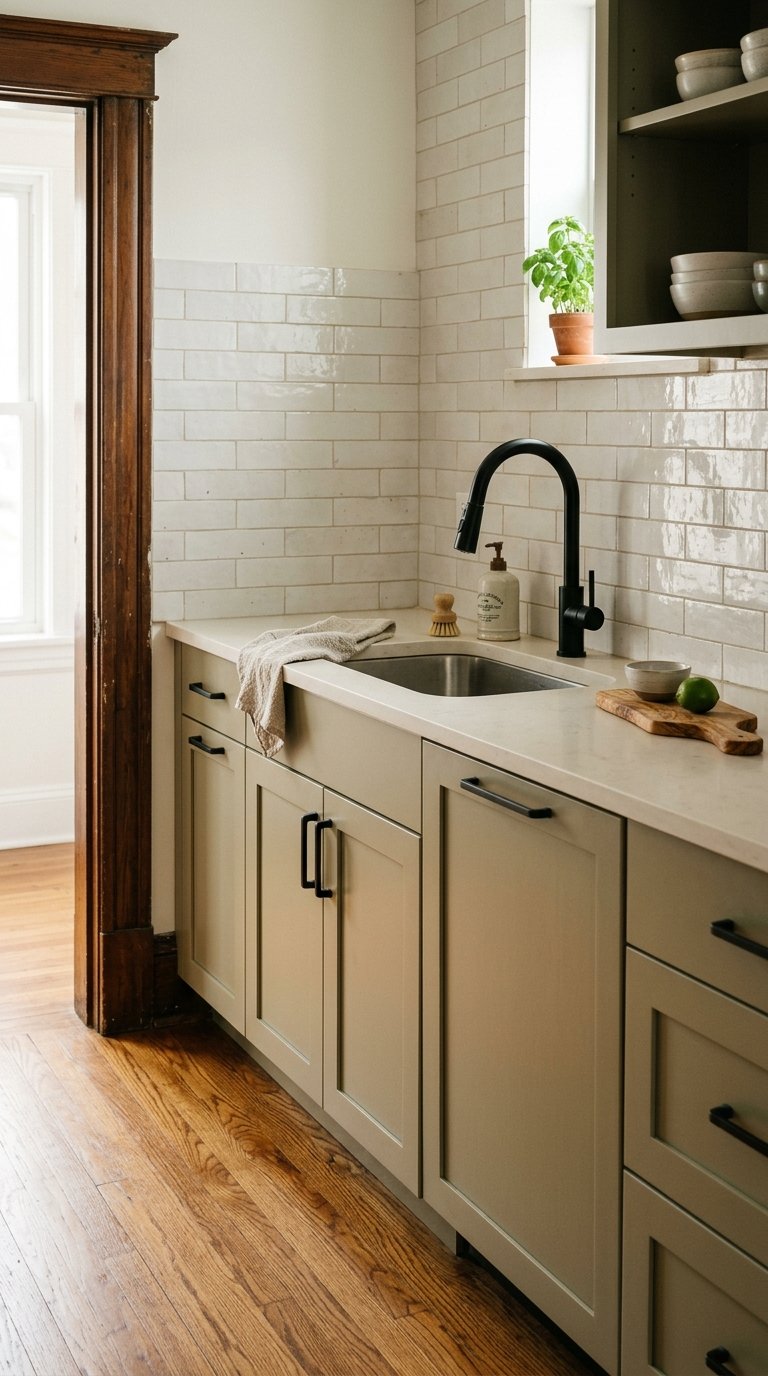
Wondering whether you should renovate before listing in Crown Heights? It is a smart question, especially in a market where buyers have more choices and your home’s presentation can shape how quickly it sells and how strong the offers look. The good news is that you usually do not need a full overhaul to make a strong impression. In many cases, a focused refresh, smart staging, and the right pricing strategy can do more for your sale than an expensive renovation. Let’s dive in.
Crown Heights Sellers Face a Different Market
Crown Heights remains a sought-after Brooklyn neighborhood, but sellers are not operating in the same environment they were a year ago. StreetEasy’s current neighborhood snapshot shows a median sale price of $1.2 million and a median 54 days on market. Its December 2025 report also showed Crown Heights inventory up 25% year over year, while Brooklyn inventory rose 10.1%.
That shift matters because more inventory means buyers can compare more homes before making a move. When buyers have options, condition and presentation carry more weight. A home that feels clean, bright, and move-in ready often stands out faster than one that simply has potential.
Why Full Renovations Are Not Always Necessary
If your home has solid bones and the main issues are cosmetic, a major renovation may not be your best move. In Crown Heights, many sellers are better served by improving what buyers see first rather than taking on a long, expensive project before listing. That is especially true when the work could delay your launch.
The practical goal is not perfection. It is helping buyers see the home clearly, understand its value, and feel confident enough to make a strong offer. Often, that comes from polish, not from a gut renovation.
The Pre-Listing Updates That Usually Pay Off
For most sellers, the highest-impact work is the simplest kind. According to NYC Department of Buildings guidance, painting, plastering, installing new cabinets, replacing plumbing fixtures, and resurfacing floors are examples of work that does not require a permit, though properly licensed contractors are still important.
That makes light cosmetic improvements one of the easiest places to invest before listing. These projects are usually less disruptive, easier to schedule, and more predictable than larger renovations. They can also improve how your home shows in person and in photos.
Focus on the Basics First
Before you think about remodeling, start with the fundamentals buyers notice right away:
- Declutter the space
- Deep clean the entire home
- Make minor repairs
- Touch up paint
- Depersonalize key rooms
- Refresh flooring or resurface worn floors if needed
- Replace dated plumbing fixtures or cabinet hardware
- Improve exterior appearance where applicable
This approach lines up with the 2025 NAR Profile of Home Staging. In that survey, the most common seller recommendations were decluttering, whole-home cleaning, improving curb appeal, professional photos, minor repairs, carpet cleaning, depersonalizing, and paint touch-ups.
Staging Can Outperform Renovation
If you are deciding where to spend money, staging deserves serious attention. NAR found that 83% of buyers’ agents said staging made it easier for buyers to visualize a property as a future home. Nineteen percent of sellers’ agents also reported that staging increased the dollar value offered by 1% to 5%.
For Crown Heights apartments and townhouses, that matters. Staging and photo-ready preparation can be a relatively modest cost compared with renovation, while still improving the way buyers respond online and in person.
Which Rooms Matter Most
The same NAR report found that the rooms buyers responded to most were:
- Living room
- Primary bedroom
- Kitchen
If your budget is limited, those spaces deserve the most attention. A well-staged living room can help buyers understand scale and layout. A calm, uncluttered bedroom can make the home feel more inviting. A clean, updated-looking kitchen can reduce objections even if it is not brand new.
What Staging May Cost
NAR reported a median spend of $1,500 when using a staging service. When a seller’s agent handled staging personally, the median spend was $500.
That does not mean every home needs full-service staging. It does show that for many sellers, staging is a manageable pre-listing investment that may offer a better risk-reward balance than taking on renovation work.
Kitchen and Bath Updates Need More Caution
Kitchens and bathrooms often drive renovation conversations, but they do not always deliver the same return. According to JLC’s 2025 Cost vs. Value report for New York, New York, a minor kitchen remodel had an average cost of $31,419 and an average resale value of $32,384, or 103.1% of cost recouped.
That is a useful data point because it suggests a modest kitchen refresh can come close to break-even in this market. If your kitchen is functional but dated, a lighter update may be worth considering.
Bathrooms tell a different story. The same report found a midrange bath remodel averaged $30,376 in cost and $23,223 in resale value, or 76.5% recouped. In plain terms, a fuller bathroom renovation often returns less than it costs.
When a Kitchen Refresh Makes Sense
A kitchen project may be worth exploring if:
- The layout already works
- Cabinets or finishes look tired but usable
- The room photographs poorly because of cosmetic issues
- The update can stay minor and controlled
In cases like that, you may not need a full remodel. You may only need targeted improvements that make the kitchen feel cleaner, brighter, and more current.
When You May Be Better Off Selling As Is
You may want to skip renovation if:
- The room is functional and only cosmetically dated
- The work would require major plumbing, electrical, or structural changes
- The project could delay your listing timeline
- Your buyer is likely to want their own finishes anyway
That last point is important. NAR found that 42% of respondents had seen an increase in the share of buyers planning to remodel a home over the last five years. That means there is still a buyer pool for homes that need some work, especially if the pricing reflects it.
Permits and Approvals Can Change the Math
In New York City, the biggest risk with pre-listing renovation is often not design. It is time. Once you move beyond cosmetic work, approvals and filings can turn a simple plan into a drawn-out process.
NYC DOB says most kitchen and bathroom renovations require an ALT2 permit application filed by a licensed professional engineer or registered architect when the work includes things like adding a bathroom, rerouting gas pipes, adding electrical outlets, or moving a load-bearing wall. DOB also warns that illegal construction can lead to violations, legalization costs, and fines.
Co-ops and Condos Add Another Layer
If you are selling an apartment, building rules can affect what you can do and how long it takes. NYC Bar alteration-agreement materials note that a co-op’s proprietary lease may require the corporation’s consent before alterations, and submitted plans may be reviewed by the corporation and its engineer.
That means even if a renovation seems manageable on paper, the approval path may not be quick. If you are trying to catch a favorable listing window, delays can undercut the value of the upgrade.
Historic District Homes Need Extra Review
For townhouse owners, landmark status also matters. The Landmarks Preservation Commission lists Crown Heights North, Crown Heights North II, and Crown Heights North III among Brooklyn historic districts. LPC says owners of buildings in historic districts must obtain permits for most alterations, and exterior work affecting a landmarked building or a building within a historic district requires a permit even if DOB would not require one.
If your project touches the exterior, timeline risk rises quickly. That does not mean you cannot improve the property. It means you should be strategic about where you spend time and money before listing.
A Smarter Crown Heights Pre-Listing Strategy
For many sellers, the best path is a refresh-first strategy. That means handling the work that improves buyer perception without creating unnecessary permitting, approval, or construction risk.
A practical order of operations often looks like this:
- Clean and declutter
- Make minor repairs
- Touch up or repaint where needed
- Refresh floors or fixtures
- Stage the most important rooms
- Invest in strong photography
- Reassess whether any larger project is truly necessary
This approach fits the current Crown Heights market well. With inventory up and buyers able to compare more homes, polished presentation and accurate pricing often matter more than expensive upgrades.
How to Decide What Is Right for Your Home
The right answer depends on your property type, timeline, and starting condition. A prewar co-op with board rules has a different prep strategy than a Crown Heights townhouse in a historic district. A condo with dated finishes may benefit from cosmetic improvements, while a brownstone with strong original details may only need careful staging and repair work.
The most effective decision-making starts with a clear look at three things:
- What buyers in your segment will realistically pay more for
- How long the work will take
- Whether the likely return justifies the cost and stress
That is where local, property-specific advice matters. In a neighborhood as nuanced as Crown Heights, the best pre-listing plan is rarely one-size-fits-all.
If you are weighing whether to renovate before listing, the goal is not to do the most work. It is to do the right work. In many Crown Heights sales, that means choosing focused improvements, strong staging, and a smart market strategy over a costly renovation that may not fully pay you back.
When you want clear advice on what is worth doing before you list, Joseph Dima can help you assess the property, the likely buyer, and the most practical path to market.
FAQs
Should you renovate a Crown Heights home before listing it for sale?
- Not always. If the home is structurally sound and the issues are mostly cosmetic, a focused refresh, staging, and strong presentation may make more sense than a major renovation.
What pre-listing updates have the best payoff for Crown Heights sellers?
- Light cosmetic work often offers the best payoff, including cleaning, decluttering, paint touch-ups, minor repairs, fixture updates, floor resurfacing, staging, and professional photos.
Do kitchen renovations help resale value in the New York market?
- A minor kitchen remodel may come close to breaking even. JLC’s 2025 Cost vs. Value report for New York, New York found an average 103.1% cost recouped for a minor kitchen remodel.
Do bathroom renovations help resale value before listing in Crown Heights?
- They may help presentation, but the return can be lower. The same JLC report found a midrange bath remodel recouped 76.5% of cost on average.
Do you need permits for renovations before listing a Crown Heights property?
- Some work does not require permits, such as painting, plastering, installing new cabinets, replacing plumbing fixtures, and resurfacing floors. Larger kitchen and bath renovations may require DOB filings and licensed design professionals.
Are there extra renovation rules for Crown Heights co-ops or historic district homes?
- Yes. Co-ops may require building approval before alterations, and homes in Crown Heights historic districts may need Landmarks Preservation Commission permits for many alterations, especially exterior work.