If you are thinking about selling a townhouse in Crown Heights, the biggest mistake is assuming the market will do the hard work for you. Buyers in this neighborhood notice condition, presentation, and pricing quickly, especially with so much historic housing stock and a market that is taking time to move. If you prepare well before you list, you can protect your pricing, improve first impressions, and make the sale feel far less stressful. Let’s dive in.
Understand the Crown Heights market
Crown Heights is active, but it is not a market where most townhouse sellers can afford to wing it. Recent neighborhood data showed 181 homes for sale, a median listing price of $1.199 million, a median sold price of $1.3 million, and about 50 median days on market. Another local source showed a similar 54-day sales median, which supports the idea that sellers should expect a real preparation and marketing window.
That timing matters because current data also points to a buyer's market. Homes have been selling at about a 98% sale-to-list ratio, or roughly 2.17% below asking on average. In plain terms, overpricing can cost you time, leverage, and momentum.
Price your townhouse from real comps
For townhouse sellers, broad neighborhood averages are only the starting point. One recent report showed a Crown Heights median sale price of $1.1 million and median price per square foot of $1,023, but the houses category had only 3 transactions behind a $1.8 million median. That is a very small sample, so a general neighborhood number should never replace a close look at like-kind sales.
In Crown Heights, buyers often compare homes by block, condition, layout, exterior appeal, and historic character as much as by size. A well-kept townhouse with strong curb appeal and clean interior presentation can be judged very differently from a similar home that feels unfinished or visually dated. That is why pricing should reflect the most relevant recent townhouse comparables, not just the highest number you hope the market will support.
Know why presentation matters here
Crown Heights has a housing stock that rewards thoughtful preparation. The Landmark Preservation Commission's Crown Heights North designation report describes a neighborhood with more than 450 buildings, including row houses and freestanding homes, mostly built between the mid-19th century and the 1930s. Several Crown Heights blocks are also within historic districts.
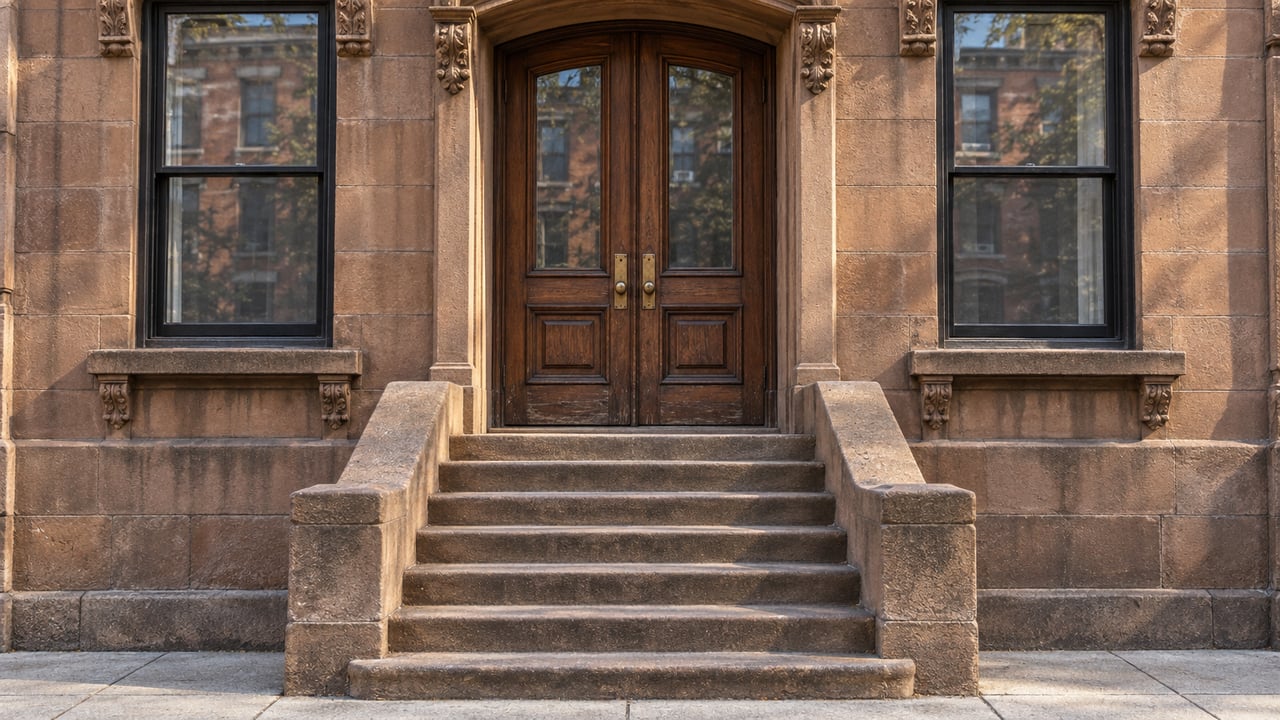
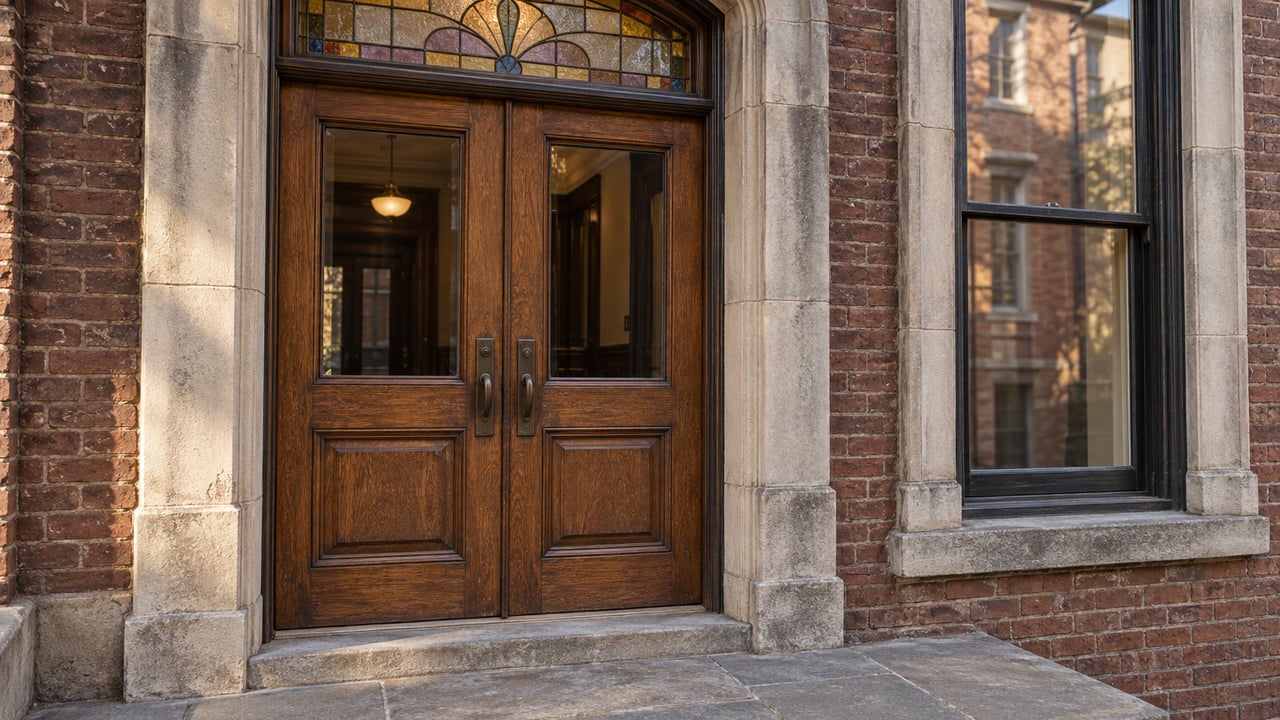
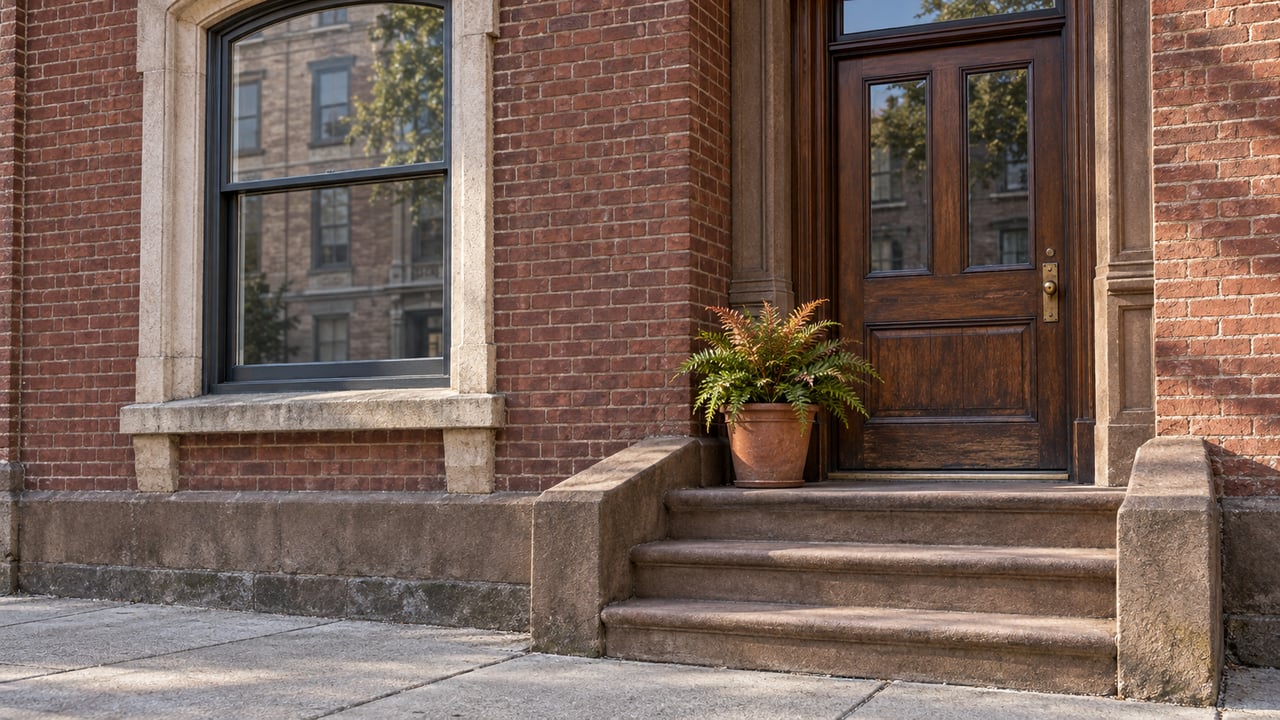
That means buyers are often reacting to more than square footage. Original detail, facade condition, stoop presentation, and the quality of past updates can all shape value. In a neighborhood like this, your front door, cornice, entry sequence, and parlor floor often start telling the story before a buyer even gets fully inside.
Prepare before you launch
Spring may be a strong selling season, but timing only helps if your home is truly ready. National 2026 timing research pointed to mid-April as the best week to sell nationally, while also making clear that spring is not automatically right for every home or market. In Crown Heights, the better takeaway is simple: launch when the townhouse is cleaned, documented, photographed, and ready to show well.
If you go live too early, you risk spending your freshest days on market while still fixing details buyers can plainly see. In a neighborhood where homes are already taking around 50 days to sell, that can hurt more than it helps. A polished launch usually beats a rushed one.
Focus on high-impact prep work
You do not always need a major renovation to improve your result. In fact, the strongest pre-sale improvements are often cosmetic and strategic. Think paint, lighting, refinished floors, updated hardware, fresh caulk, minor kitchen or bath touch-ups, and a cleaner, sharper front entry.
The 2025 staging data supports that approach. Nearly half of agents reported that staging reduced time on market, and 83% said it helped buyers visualize the home. For a visually distinctive Brooklyn townhouse, that matters because buyers often decide very quickly whether a home feels move-in ready, cared for, and worth the asking price.
Start with the basics buyers notice
The most common seller-side staging recommendations were:
- Decluttering
- Deep cleaning
- Improving curb appeal
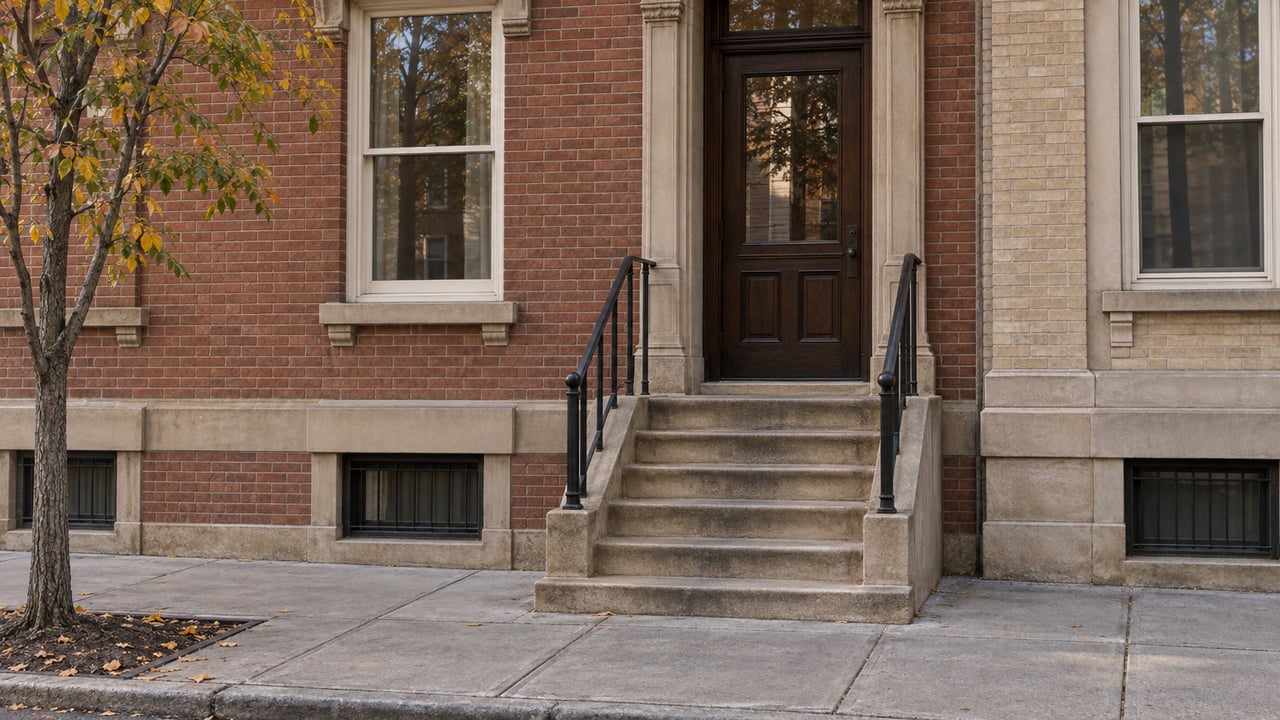
For a Crown Heights townhouse, that often means clearing visual noise, simplifying furniture layouts, cleaning up the stoop, freshening the front door area, and making the parlor floor feel bright and open. These are not glamorous projects, but they often do more for buyer perception than expensive work hidden behind the walls.
Consider selective updates, not a full overhaul
Remodeling data also points toward focused improvements instead of a full pre-sale gut renovation. Professionals most often recommend painting the whole home, painting a room, and replacing roofing when needed before sale. The same report found strong buyer response to kitchen upgrades, bathroom renovations, and front door improvements, with a new steel front door showing 100% estimated cost recovery.
For many Crown Heights sellers, the smartest question is not, "How much can I renovate?" It is, "What will buyers actually notice and value?" In many cases, simple improvements to finish quality, lighting, and entry appearance offer a better return than large projects that take too long or cost too much.
Check permits before doing work
Before starting pre-sale updates, it is important to separate cosmetic work from work that needs city approval. New York City says painting, plastering, cabinet installation, plumbing fixture replacement, and non-structural roof repair are generally cosmetic and typically do not require a permit. That can make smaller improvement plans easier to manage on a tight timeline.
Other work is different. Electrical installation requires a Department of Buildings permit, and plumbing work that alters or relocates piping requires a permit and licensed supervision. If you are planning anything beyond surface-level improvements, confirm the scope first so you do not create delays right before listing.
Verify landmark and historic district status
This step matters a lot in Crown Heights. If your townhouse is designated or located within a historic district, exterior work may require approval from the Landmark Preservation Commission before the work begins. That can include facade changes, window work, stoop repairs, cornice work, reconstruction, or demolition-related plans.
Because several Crown Heights blocks fall within protected districts, you should verify your exact address before making exterior improvement decisions. Even a well-intentioned facade refresh can become a problem if the proper review was skipped. The earlier you check, the easier it is to plan wisely.
Budget for selling costs early
List price is only part of the story. If you want a clear picture of your likely proceeds, model your selling costs before you go to market. In New York City, the Real Property Transfer Tax applies at 1% up to $500,000 and 1.425% above $500,000.
New York State also imposes a transfer tax, and residential conveyances of $1 million or more are subject to the additional 1% mansion tax. Since many Crown Heights townhouse sales can cross that threshold, those taxes can meaningfully affect your net. Knowing those numbers early helps you make smarter decisions about pricing, prep spending, and negotiation goals.
Build a prep-first selling plan
For most townhouse sellers in Crown Heights, the strongest path is a prep-first strategy. That means checking legal and landmark status, identifying only the updates that buyers will notice, staging the key living spaces, and pricing from relevant recent comps. It is not about chasing perfection. It is about removing distractions and helping buyers feel confident in the home.
This is also where experienced local guidance matters. In a block-by-block market like Crown Heights, the right plan is rarely generic. A townhouse with original detail on one block may need a different strategy than a renovated property on another, even if the square footage looks similar on paper.
If you are getting ready to sell and want a clear strategy for pricing, preparation, staging, and renovation support, Joseph Dima can help you build a smart plan for your Crown Heights townhouse.
FAQs
How long does it take to sell a townhouse in Crown Heights?
- Recent Crown Heights data showed median days on market around 50 to 54 days, so it is wise to plan for both preparation time before listing and marketing time after launch.
What prep work adds the most value before selling a Crown Heights townhouse?
- The most effective pre-sale work is often cosmetic, such as decluttering, deep cleaning, painting, lighting updates, floor refinishing, minor kitchen or bath touch-ups, and improving stoop or front entry presentation.
Do Crown Heights townhouse sellers need permits for pre-sale improvements?
- Some cosmetic work usually does not require permits, but electrical installation work does, and plumbing work that alters or relocates piping also requires permits and licensed supervision.
Do historic district rules affect Crown Heights townhouse exterior work?
- Yes. If the townhouse is landmarked or within a historic district, exterior changes may require Landmark Preservation Commission approval before work begins.
How should a Crown Heights townhouse be priced for sale?
- Pricing should be based on recent like-kind townhouse comps, current buyer demand, condition, and block-level differences rather than broad neighborhood averages alone.
What selling costs should Crown Heights townhouse owners plan for?
- Sellers should account for New York City transfer tax, New York State transfer tax, and the additional 1% mansion tax on residential conveyances of $1 million or more, since these can affect net proceeds in a major way.